A field guide to family activities nearby · 4 nights, October
A field guide to family activities nearby · 4 nights, October
Despite the beach-sounding name, Camping Playamonte isn't on the coast — it's a shaded, quiet site just outside Navarrés, in a green, mountainous inland pocket of Valencia province, and it turns out to be one of the best-placed bases in the region for a family group.
Within about 45 minutes you can reach waterfalls, river gorges, a dormant volcano, a medieval double castle, and rock shelters painted 8,000 years ago.
Good for arrival day, a lazy morning, or whenever the group needs to just unpack the chairs. The campsite itself has shaded pitches, a small games room, and a café terrace; the star attraction is a short drive or walk away.
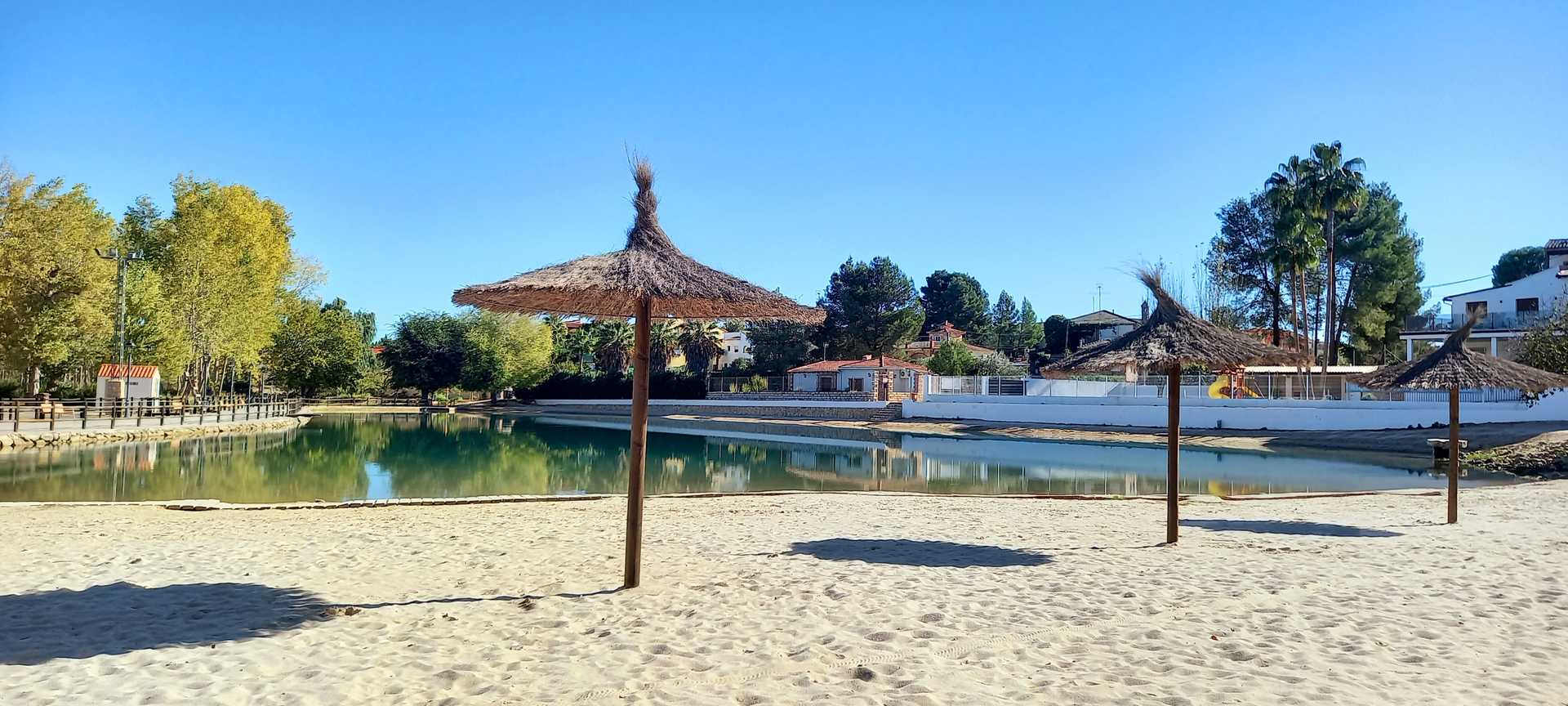
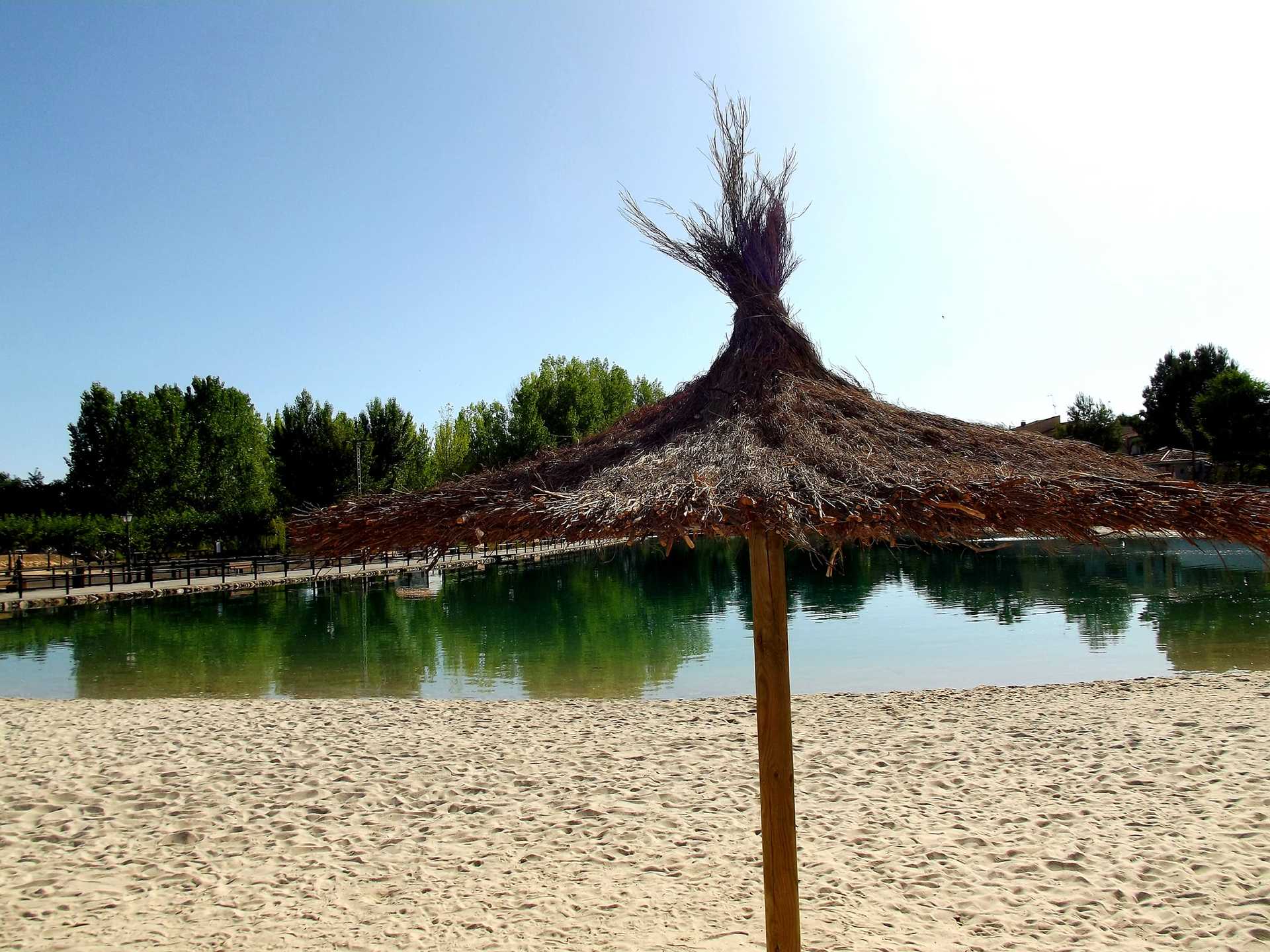
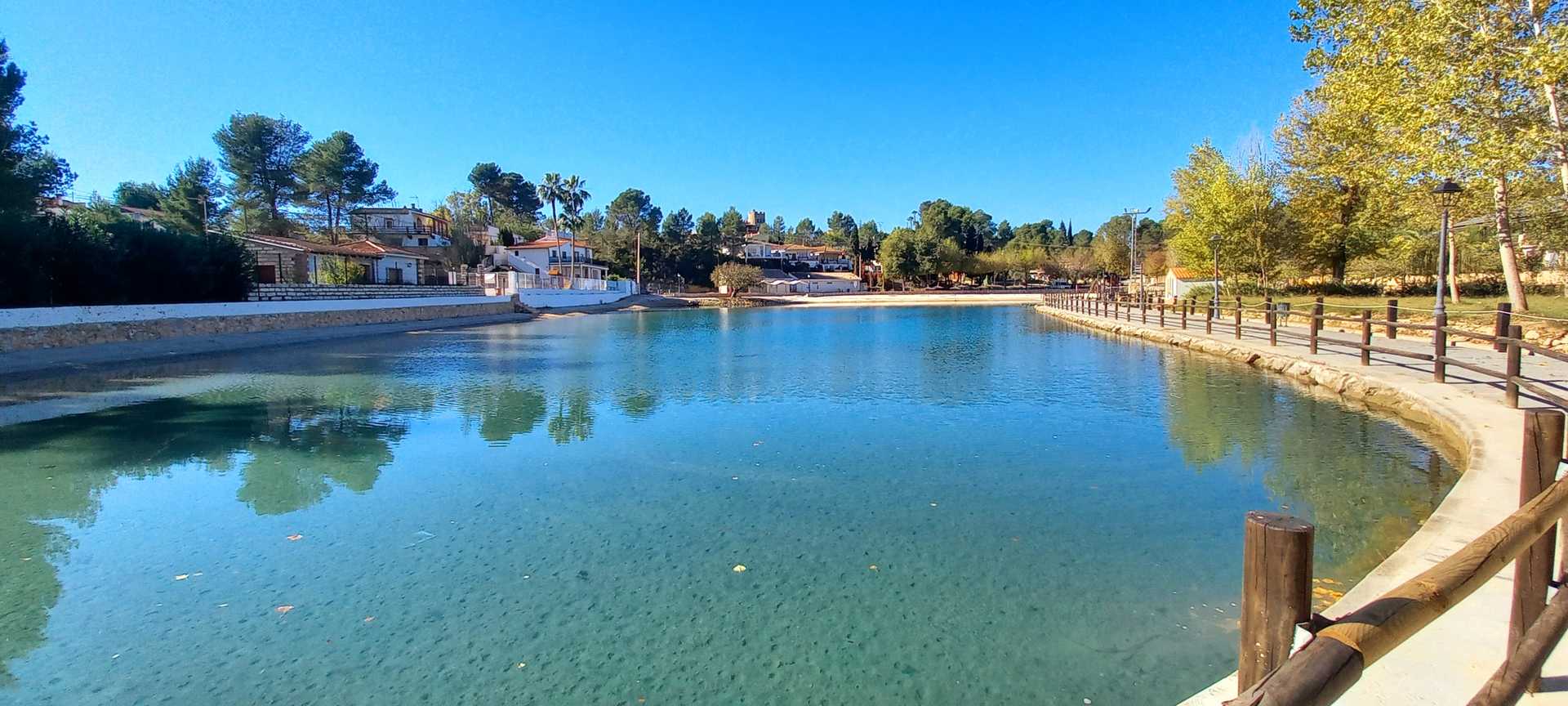
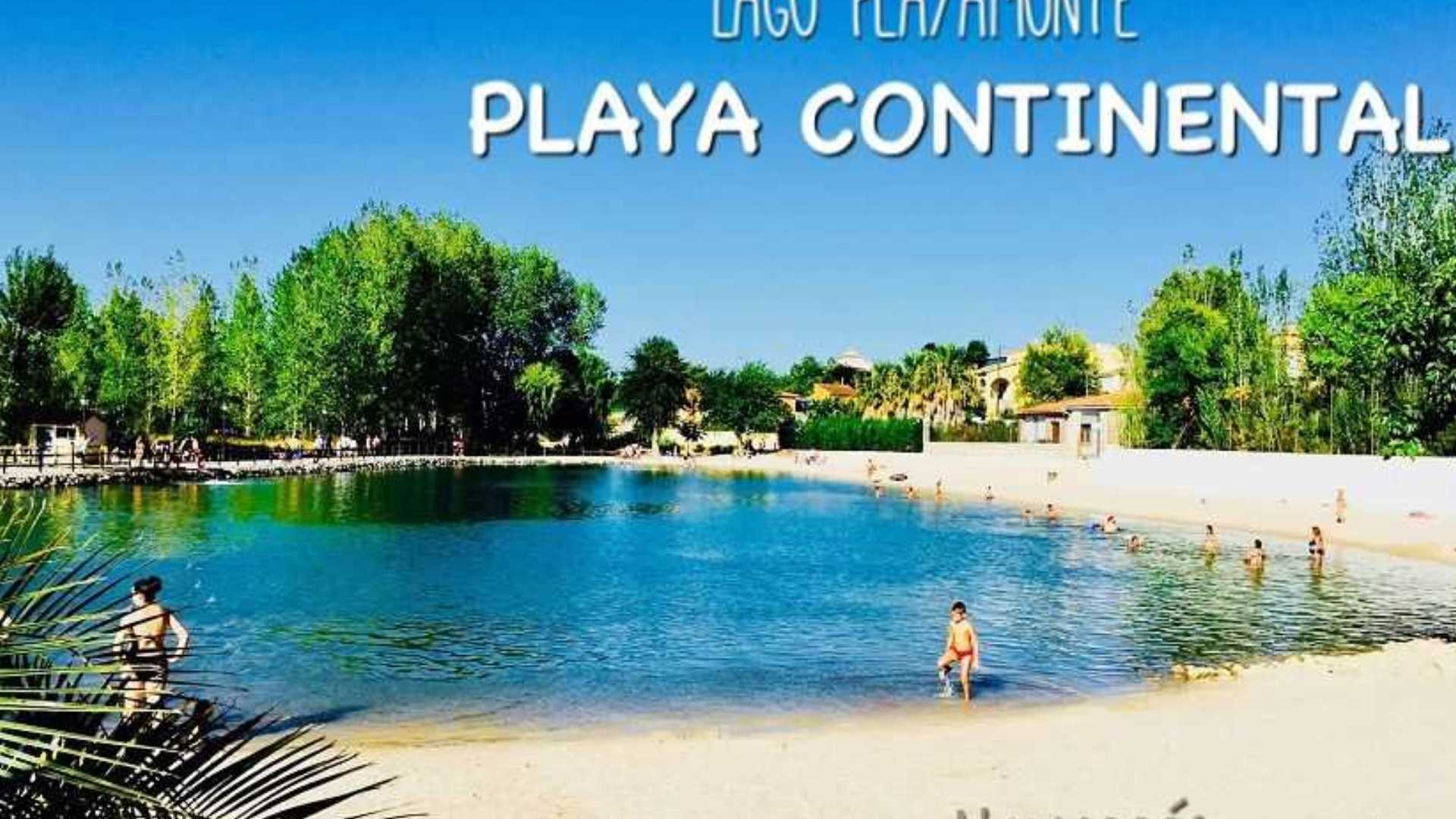
Lago de Playamonte
A fine-sand, pine-fringed "inland beach" fed by natural springs, about a kilometre from the pitches, with lifeguards, toilets, and picnic areas in season. October water runs cool, so it's more a dip-and-picnic spot than a proper swim — bring inflatables, and expect a small lakeside café for coffee or ice cream.
More info →The comarca's best-known family walk plus two low-key water spots. Go on a weekday if you can — these get busy on weekends.
Los Chorradores waterfall trail
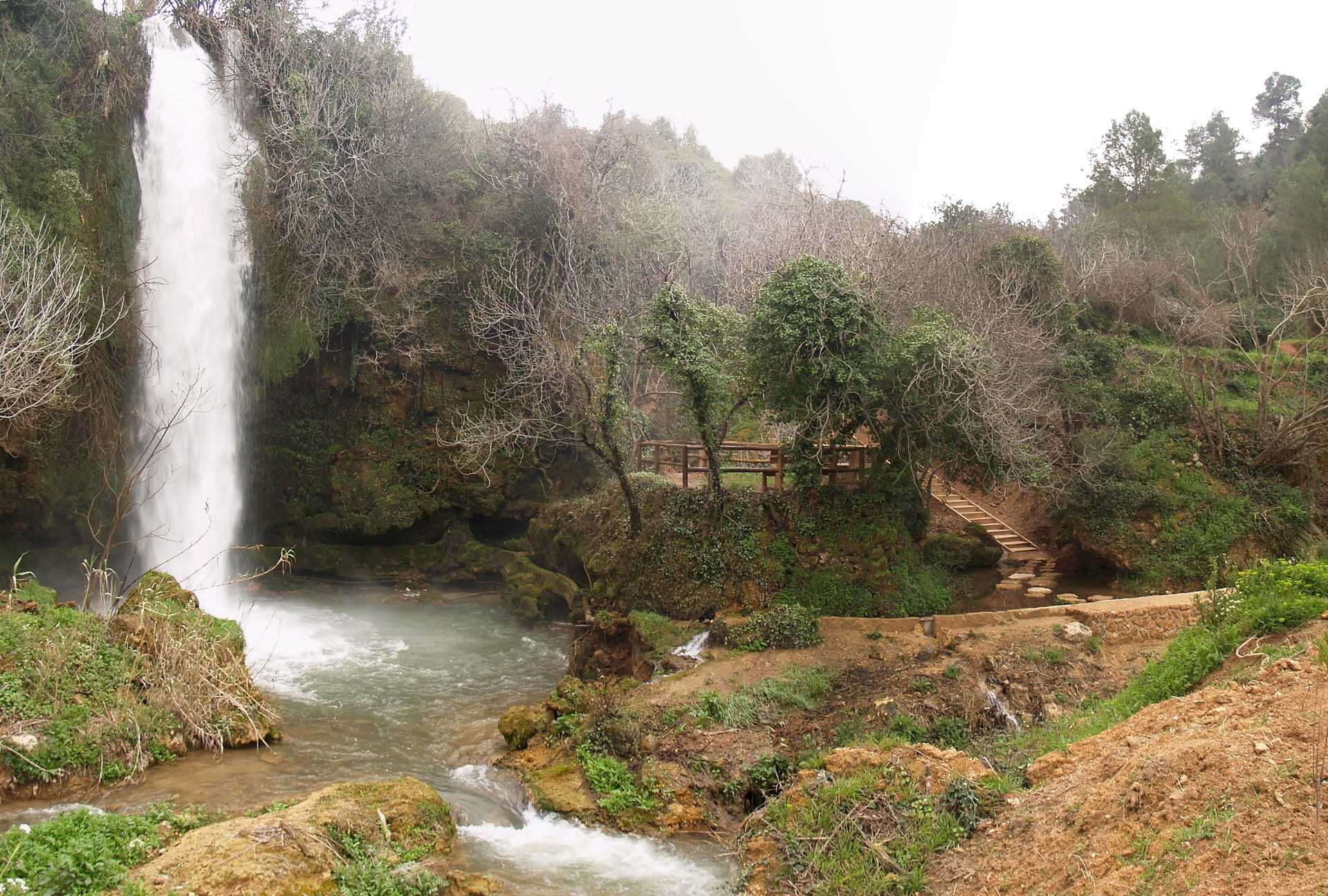
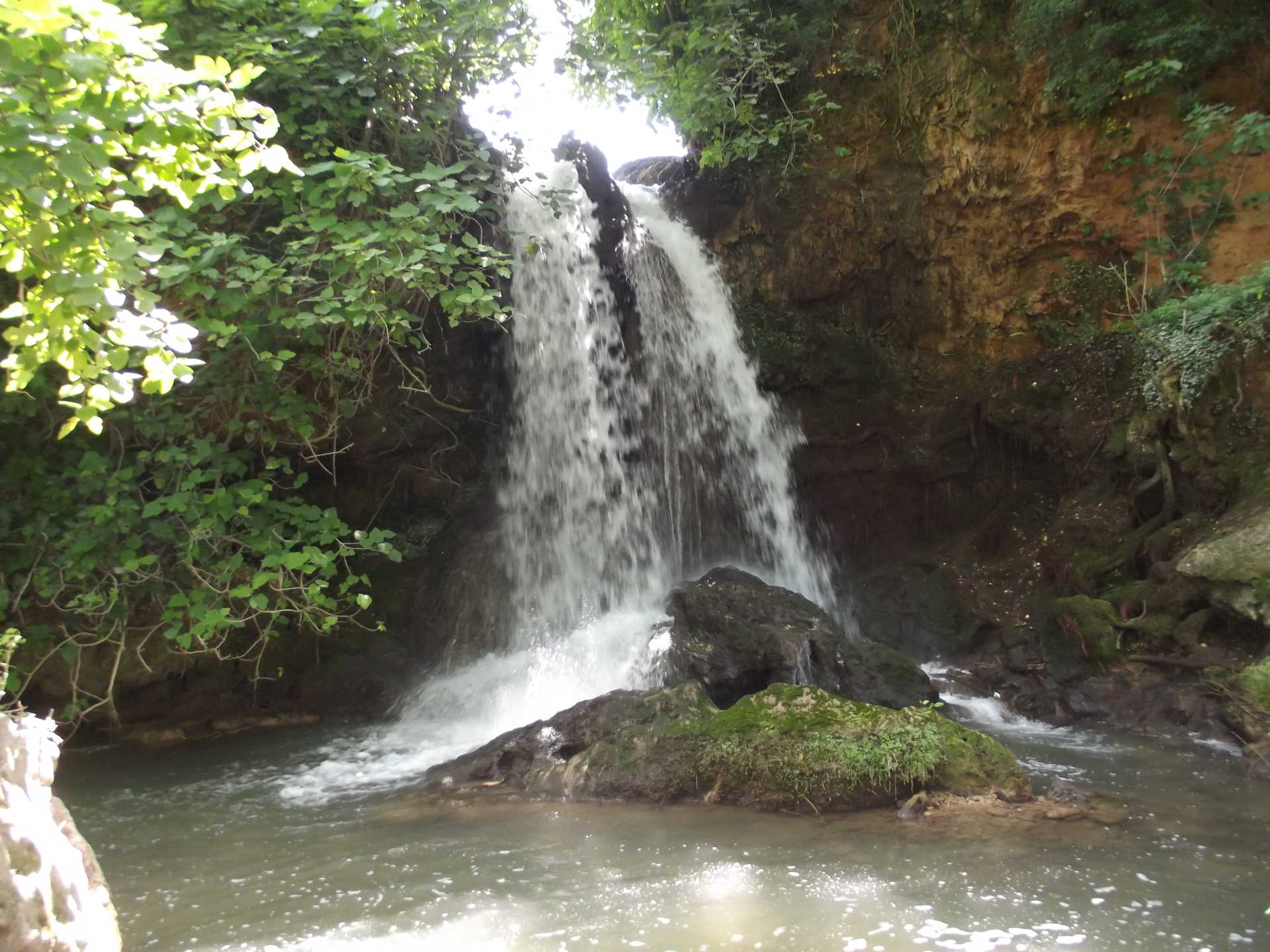
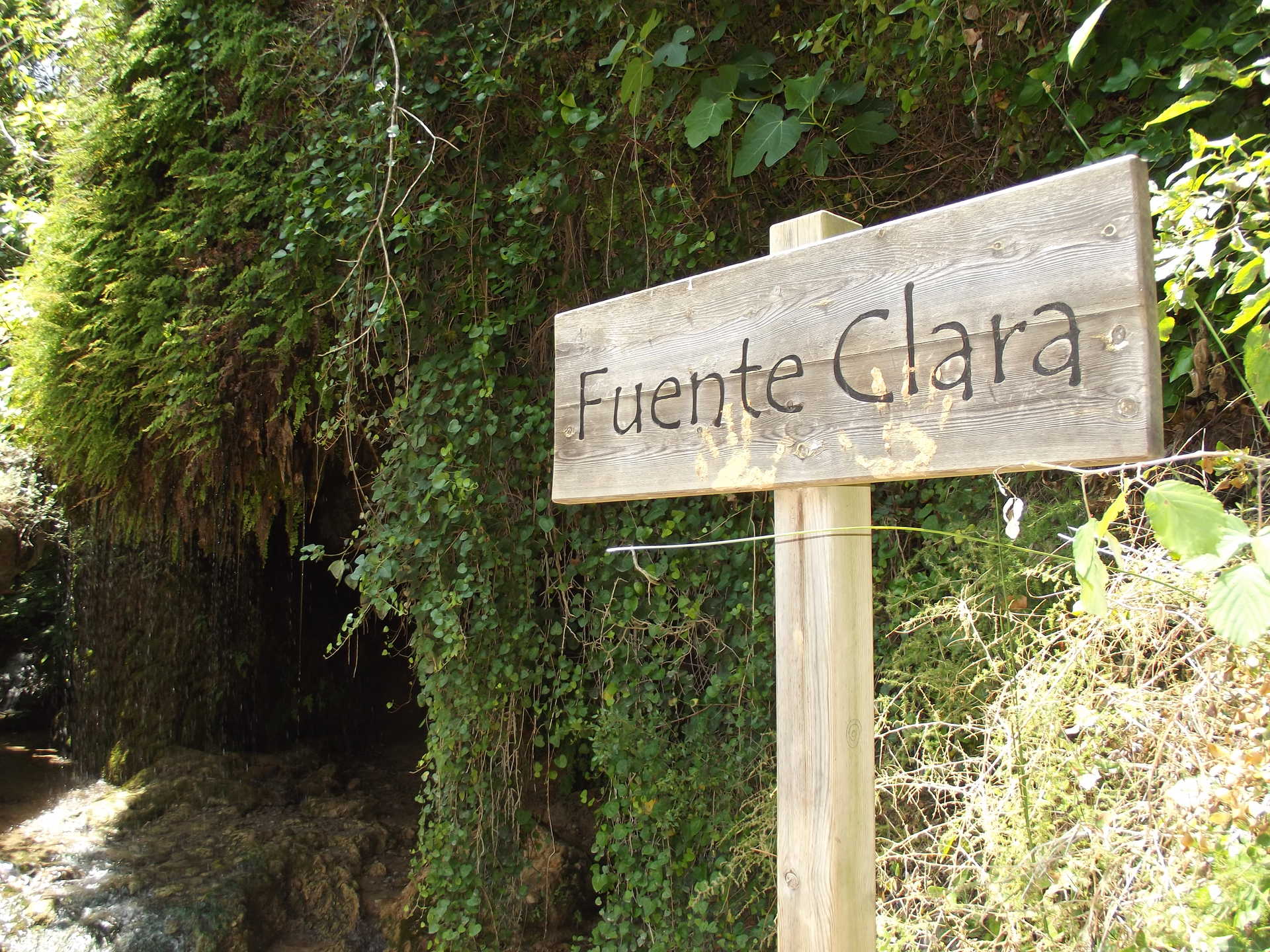
An easy, roughly 3 km path through the Barcal ravine, past springs and small cascades, ending at a 25 metre waterfall — one of the region's prettiest, and a protected Municipal Natural Area since 2014. Shaded and mostly flat, with a small parking fee on weekends and in July–August. Pack a picnic — nowhere to buy food along the way — and bring water shoes; swimming at the waterfall itself isn't permitted.
More info →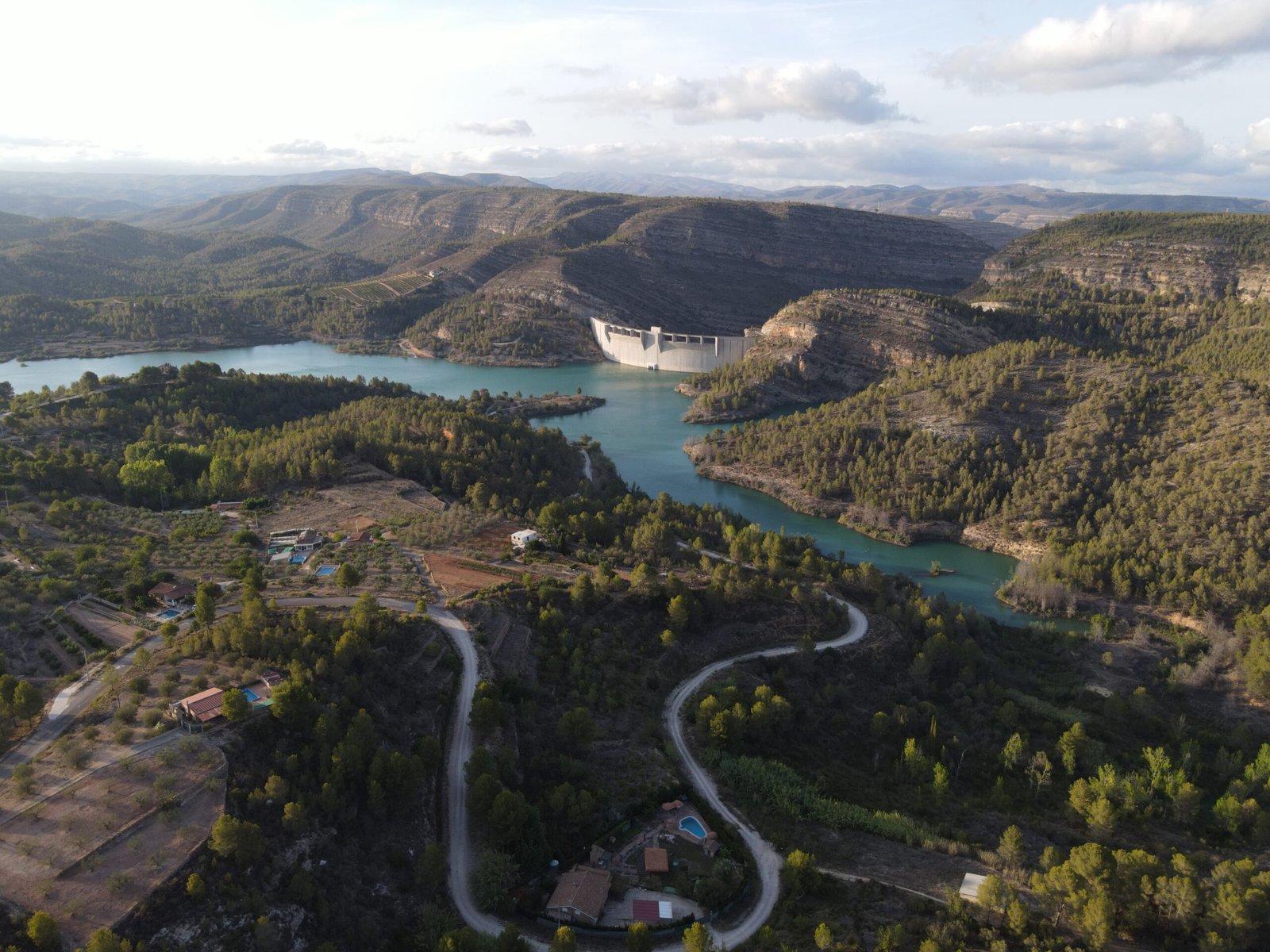
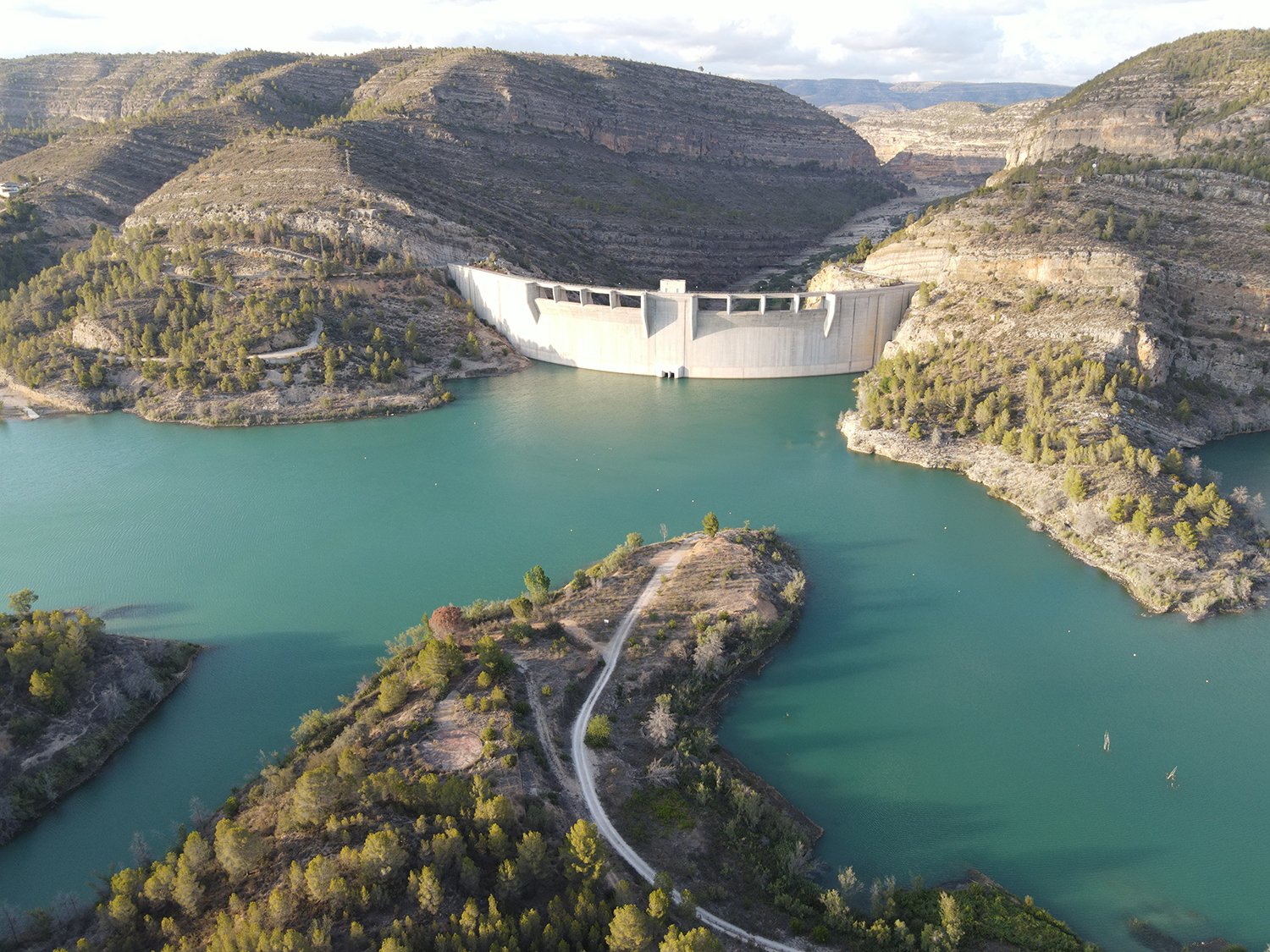
Presa de Escalona
A scenic dam and reservoir a few minutes from camp, built in 1995 after the catastrophic 1982 Tous dam failure. Quieter than the bigger sights further out — good for a picnic and a walk along the water, with paddle surfing and kayaking available through a local outfitter.
More info →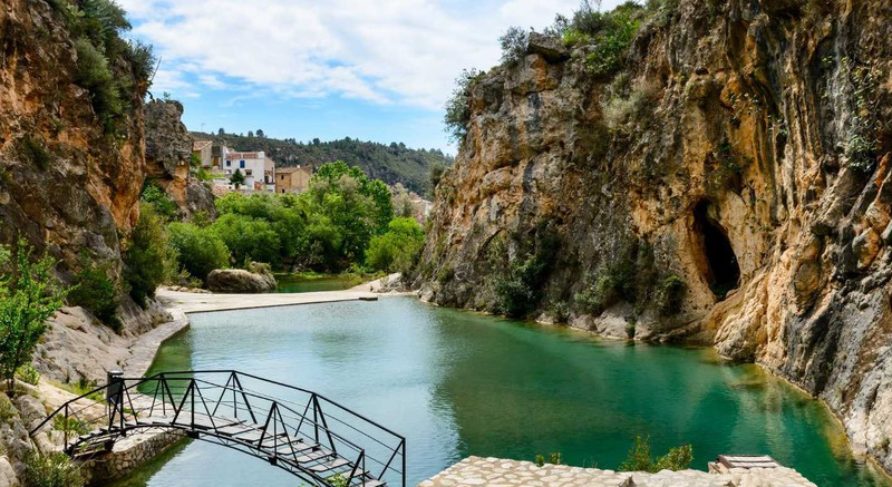
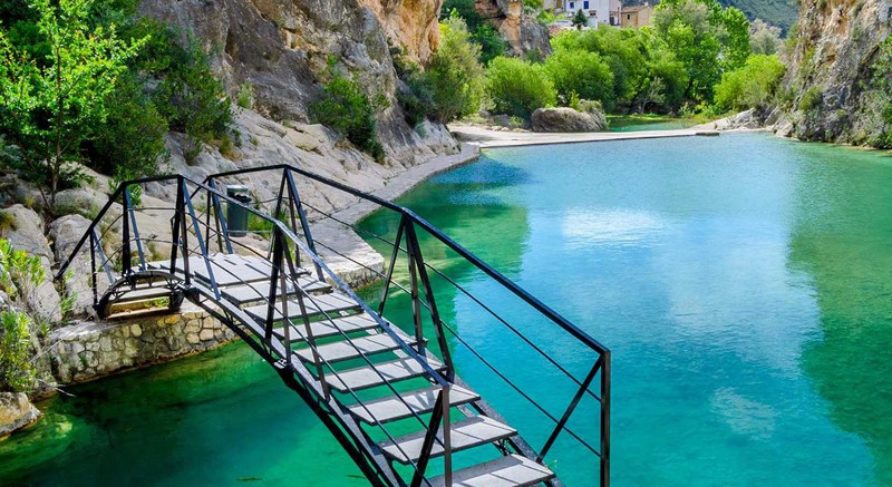
Río de Bolbaite recreational area
Bolbaite has turned its stretch of the Río Sellent into a proper family swimming spot, nicknamed the "continental beach" — a dammed pool called L'Assut with a footbridge, picnic tables, and lifeguards in summer (ticketed and capacity-controlled then). A short walk upstream leads to the Gorgo de la Cadena, a deeper natural pool worth the extra ten minutes.
More info →This is where the region's real character shows up — 8,000-year-old cave art and a small Moorish palace nicknamed the "little Alhambra."
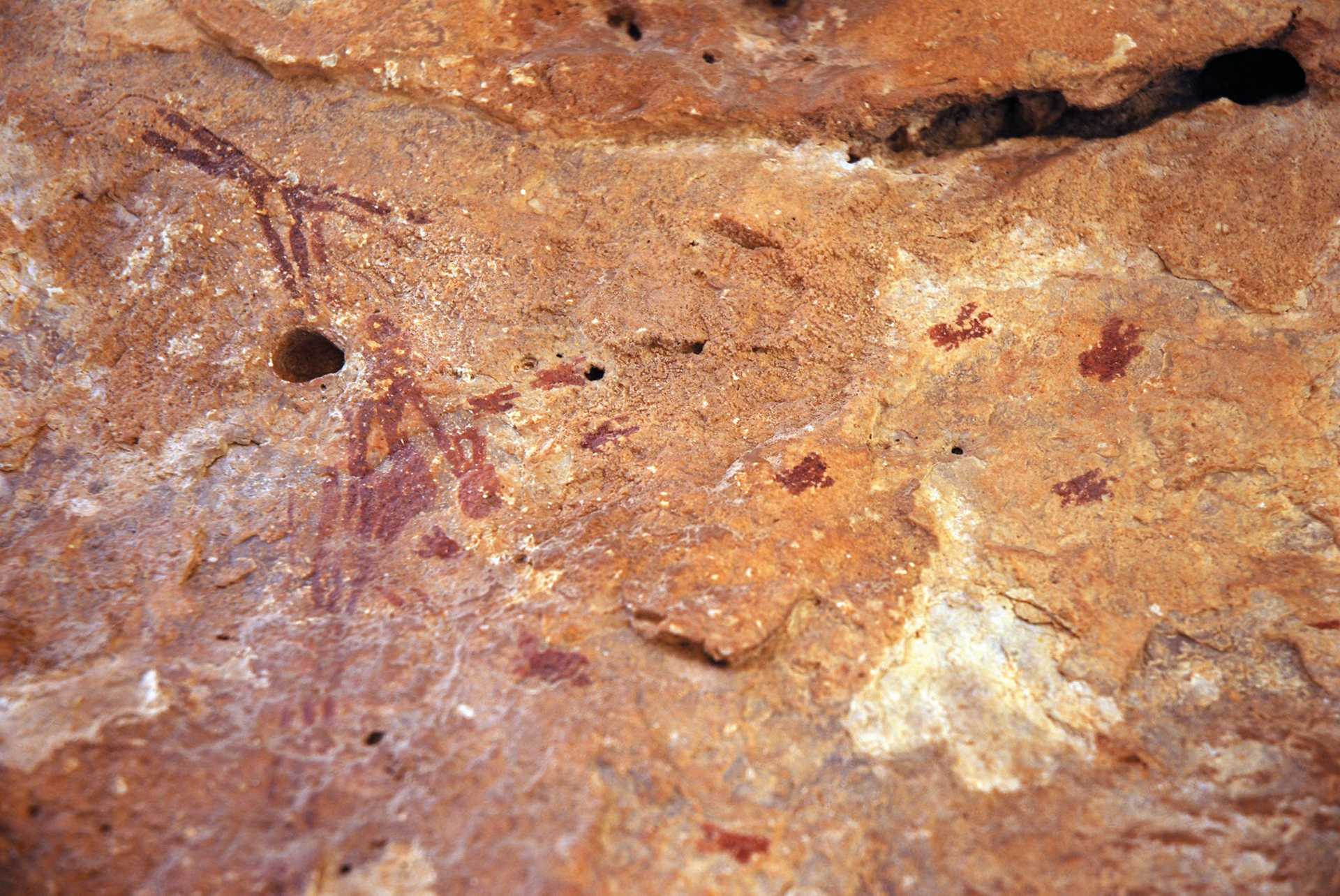
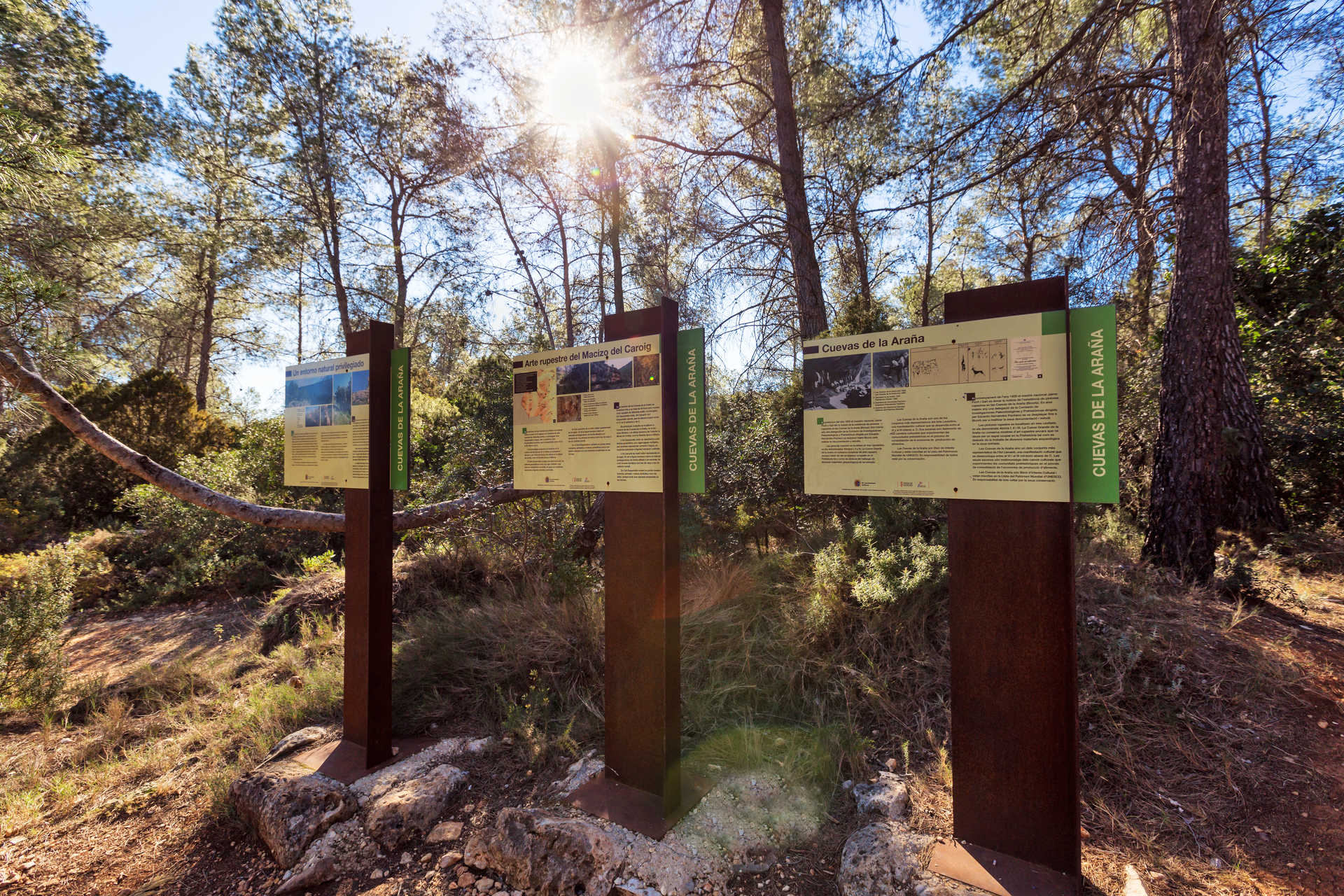
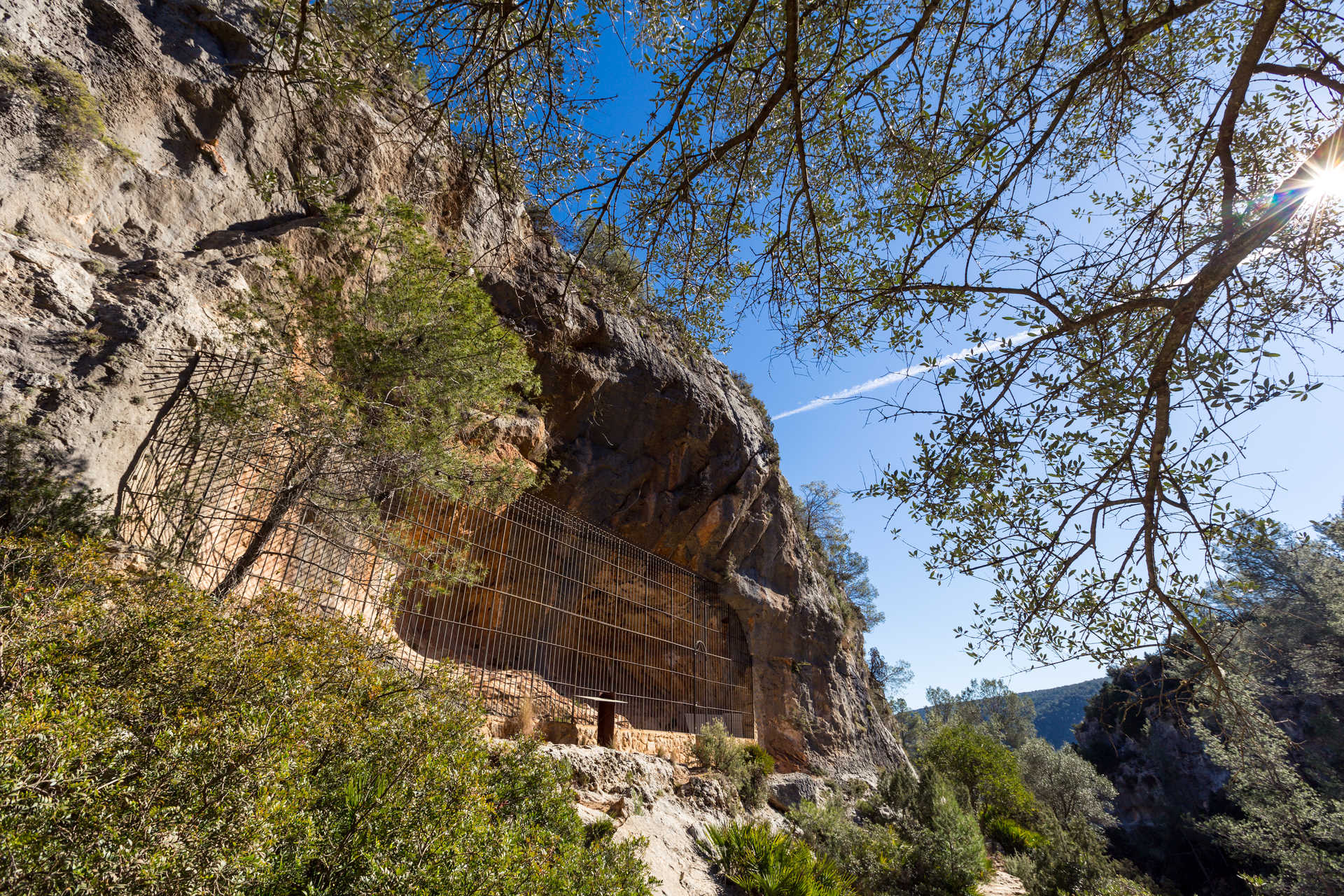
Cuevas de la Araña rock shelter, Bicorp
Bicorp's small Ecomuseo (~2€) covers local prehistory and nearby dinosaur footprints, and can arrange a guided visit — some by 4x4 — to the Cuevas de la Araña, UNESCO-listed Levantine rock art whose star panel shows a figure robbing a wild beehive, among the oldest known depictions of honey-gathering anywhere. Visits run Wednesday–Sunday mornings, about three hours including the museum; other shelters across the Caroig massif get free guided tours most Saturdays, reservation required.
More info →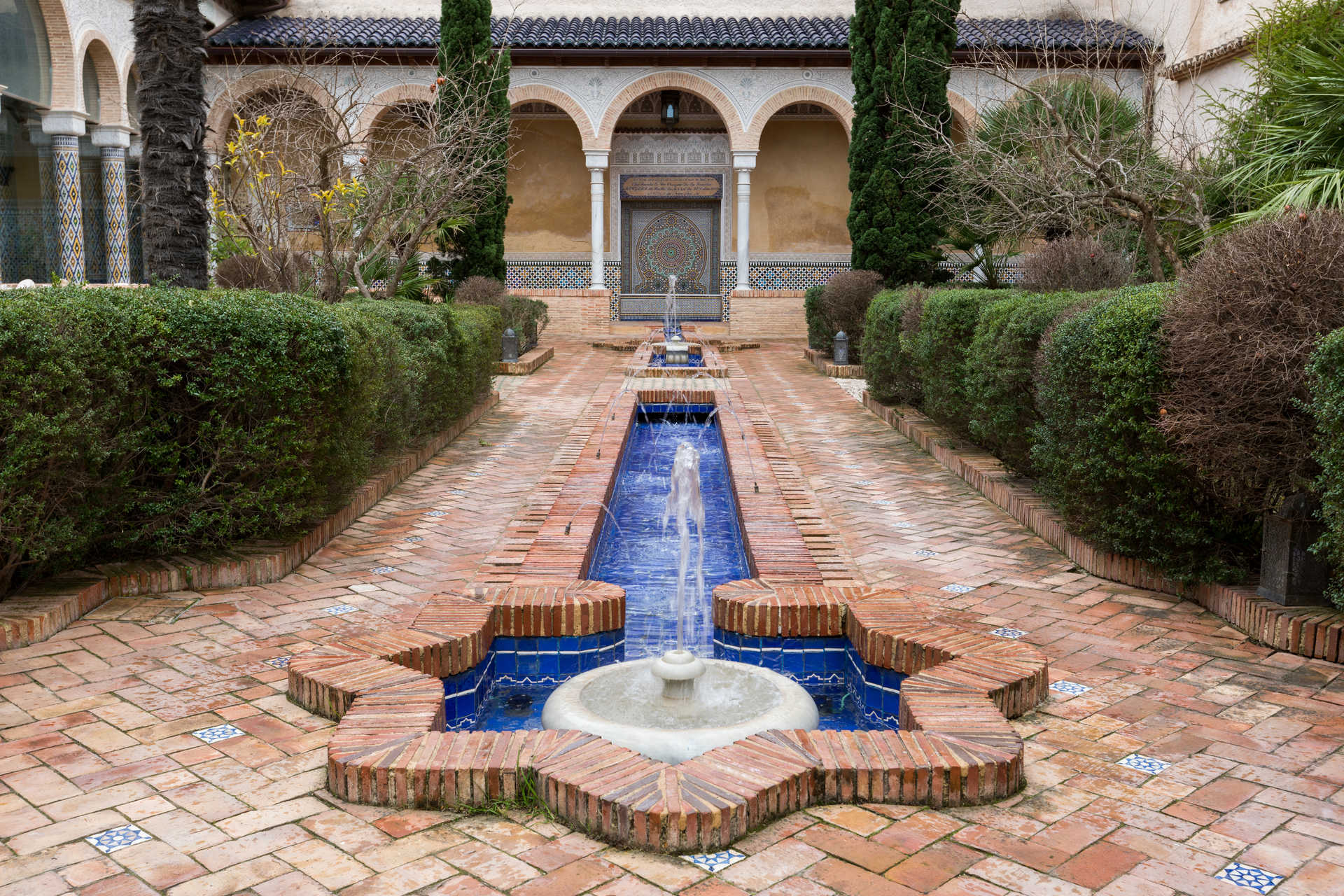
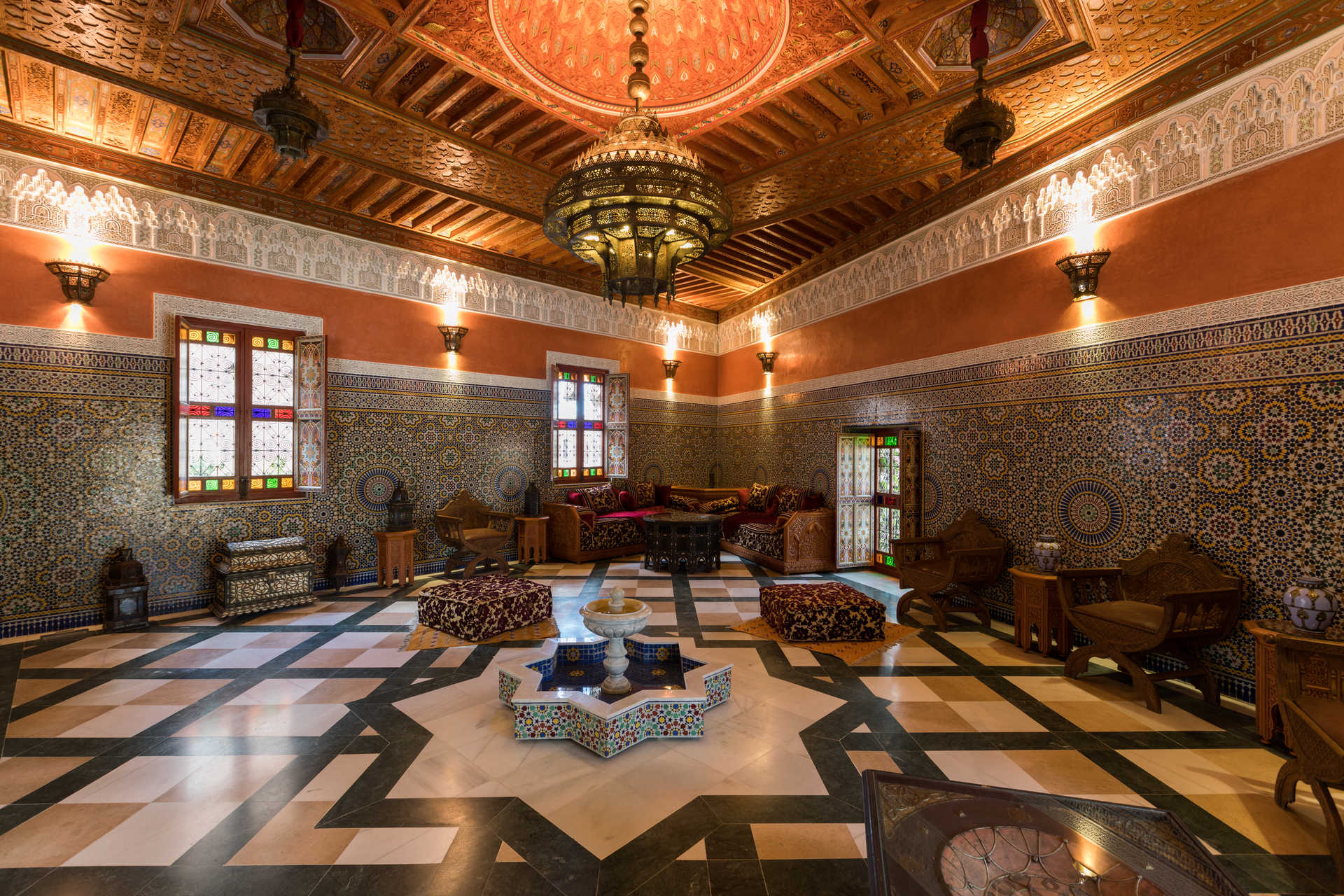
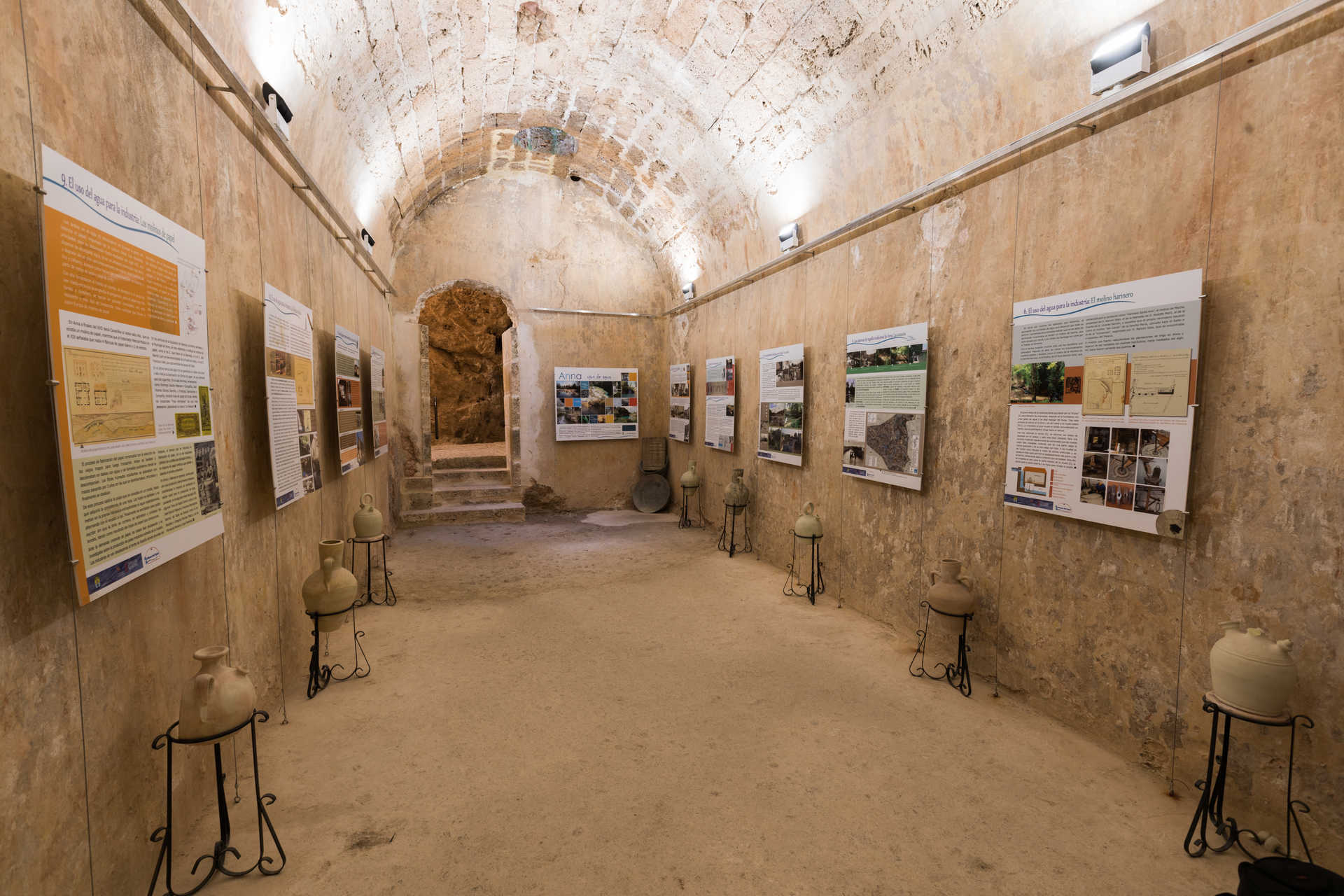
Castillo-Palacio de los Condes de Cervellón, Anna
Anna is built around water — springs, cascades, and natural pools called "gorgos" thread through it, plus a lake, the Albufera de Anna. Its Castillo-Palacio de los Condes de Cervellón began as a 12th-century Almohad fortress and became a Baroque residence, nicknamed the "little Valencian Alhambra" for its restored Arab-style courtyard. Only visitable by guided tour (Tuesday–Sunday, reserve ahead) — otherwise the exterior and surrounding lake make a pleasant stop on their own.
More info →
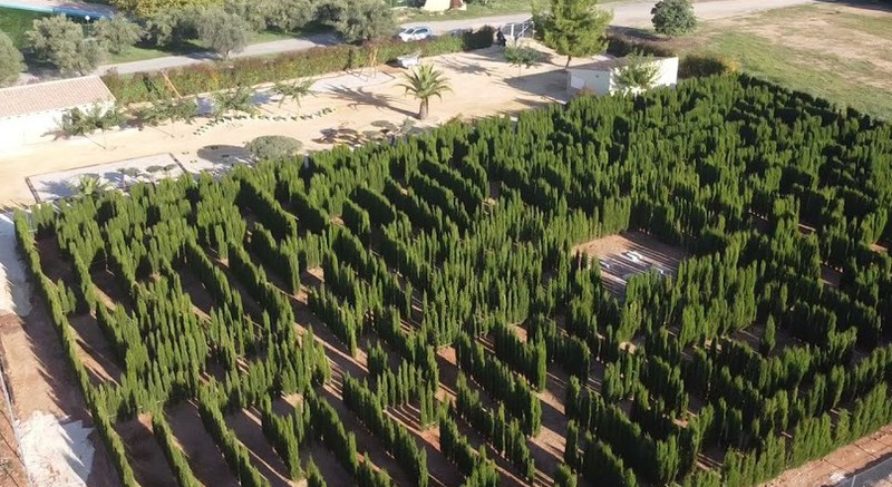
El Laberinto del Lago, Anna
The largest hedge maze in the Valencian Community, right by Anna's lake — over 4,000 cypress trees along a roughly 2 km route, flat enough for a buggy or wheelchair. Alongside it: a small climbing wall, zip line, giant chalkboard, and sandpits, plus a café. Open weekends and holidays outside summer (no booking needed, ~3–4€), and the lake itself rents rowboats April–October.
More info →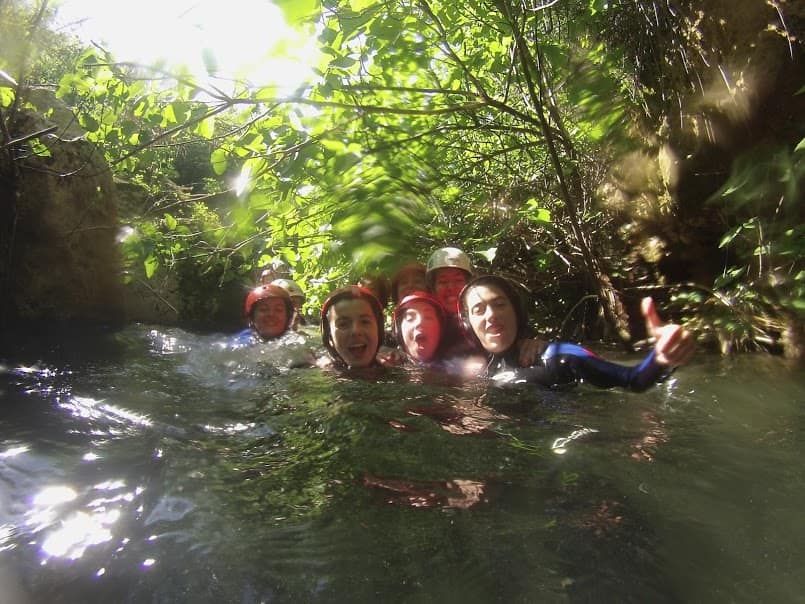
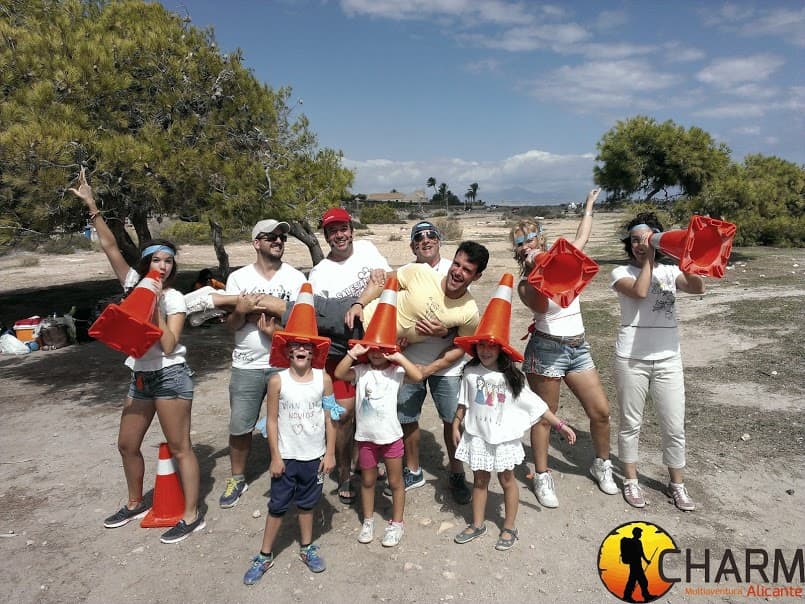
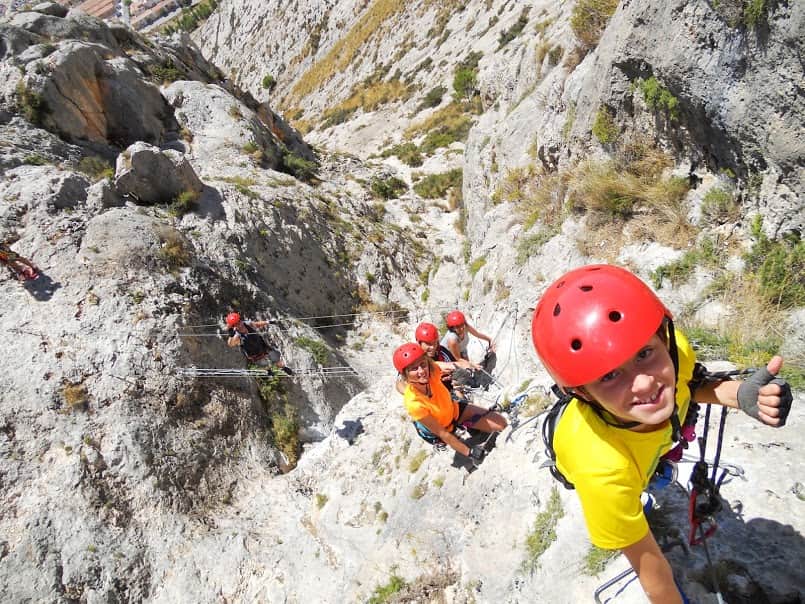
Multiaventura Charm family adventure activities, Anna
A local outfit in Anna running a guided "family adventure" package — climbing, via ferrata, hiking and caving on land; paddle surf, kayak and gentle canyoning in water — with equipment and insurance included, routes adapted by age. Sessions run 2–3 hours and need booking ahead by phone or WhatsApp; a good change of pace from self-guided hiking if the kids want an instructor rather than parents egging them on.
More info →Worth a full morning or afternoon each — a hilltop castle with a kids' train, a volcano-and-river valley, and a canyon crossed by wooden suspension bridges.
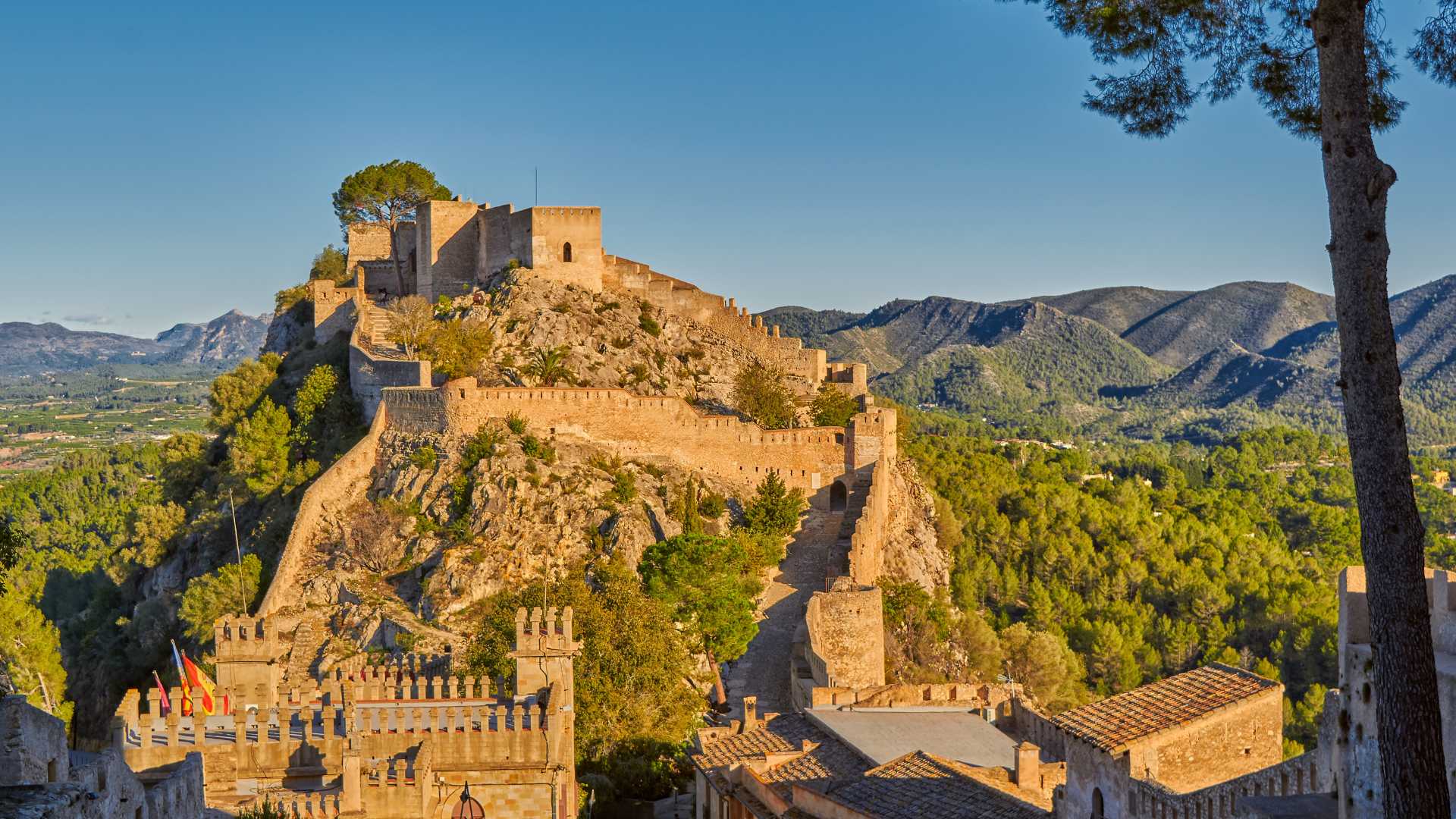
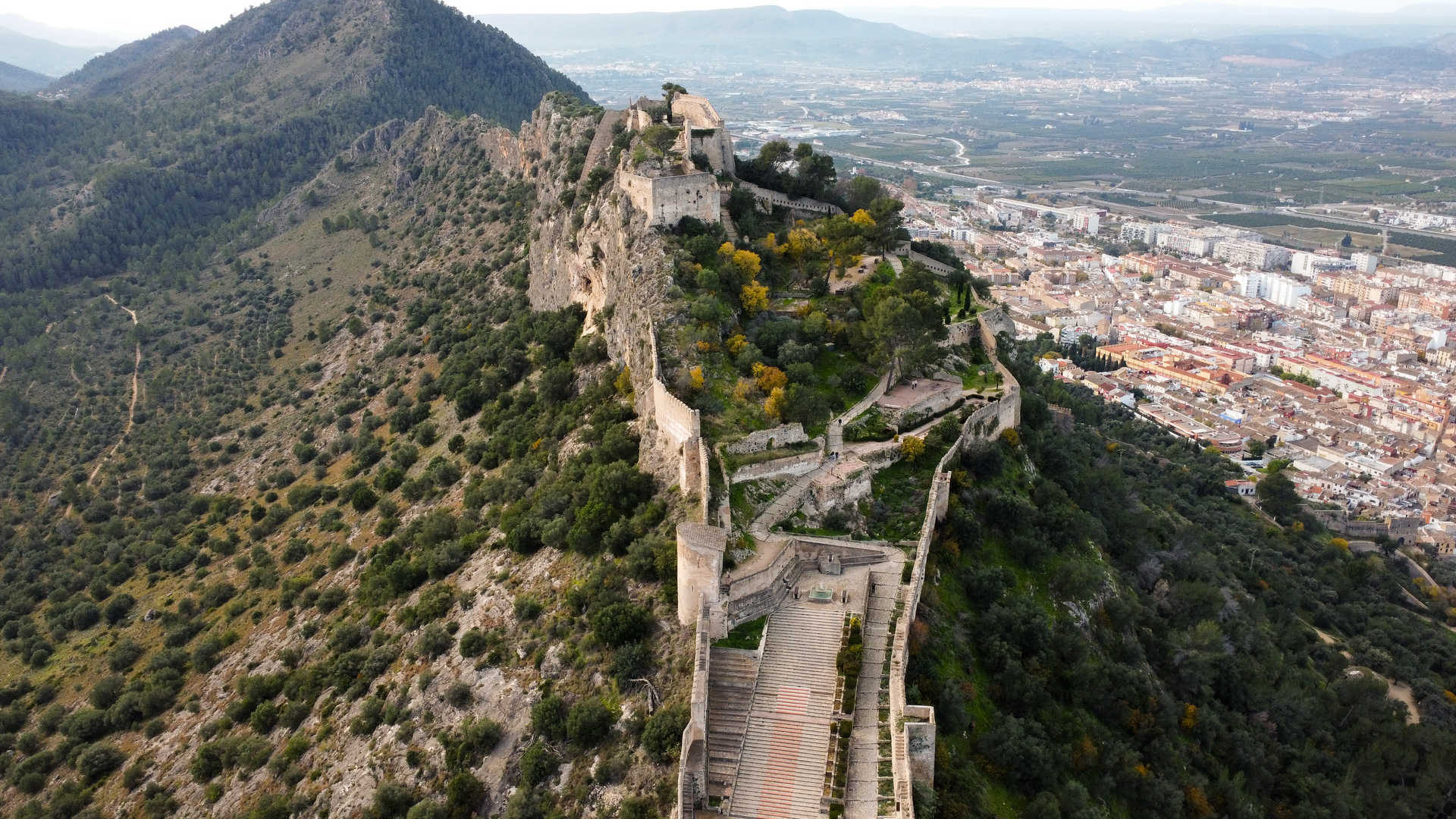
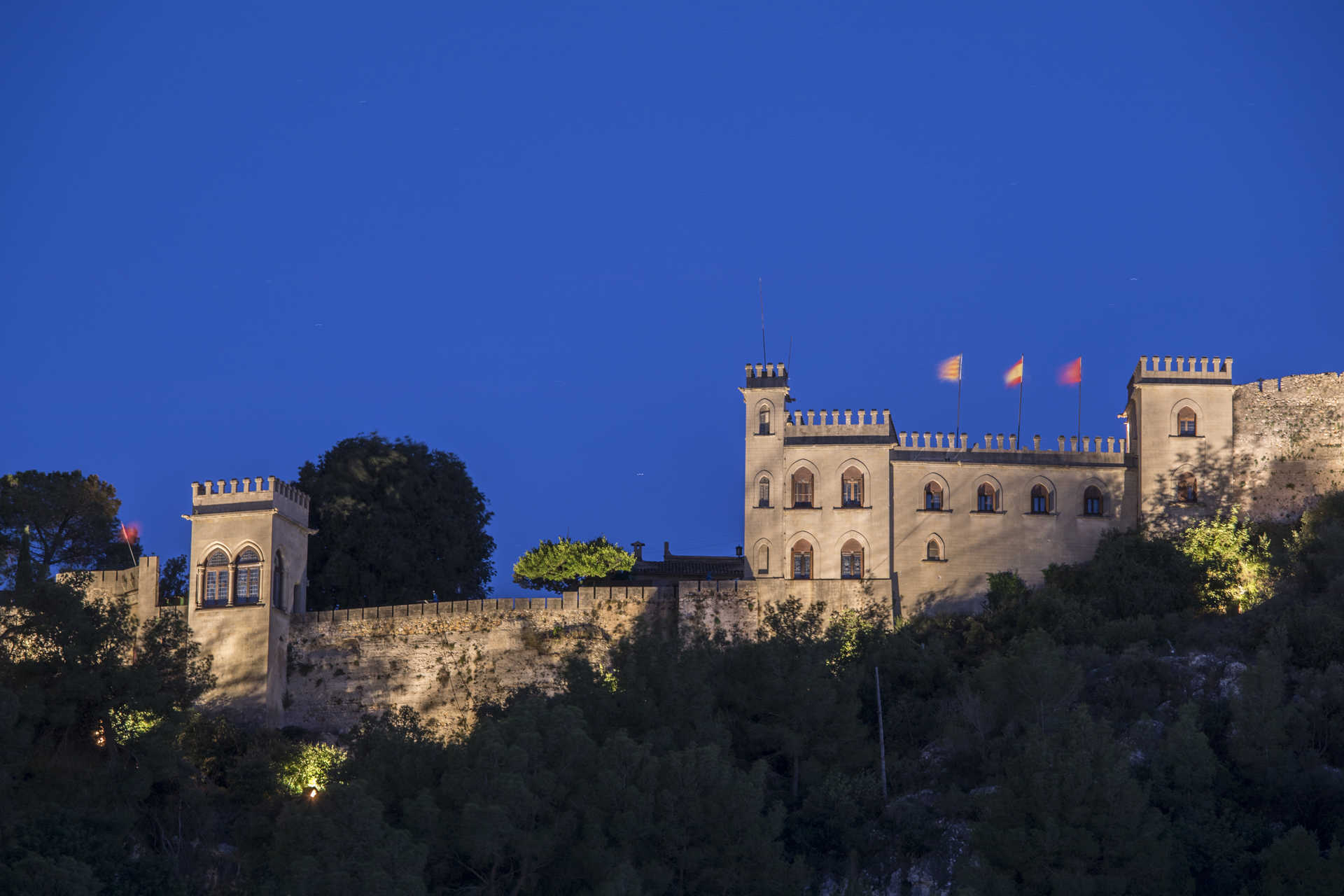
Xàtiva Castle
A genuine double fortress — Castell Menor and Castell Major — strung along a ridge with roots back to Iberian and Roman times, and a long history as a border stronghold between Castile and Valencia. A little tourist train (or bus) carries visitors most of the way up, sparing the 1.25 km climb. Budget at least two hours; picnic tables and sweeping valley views from Castell Menor. Private cars are banned on the hill Sundays and holidays.
More info →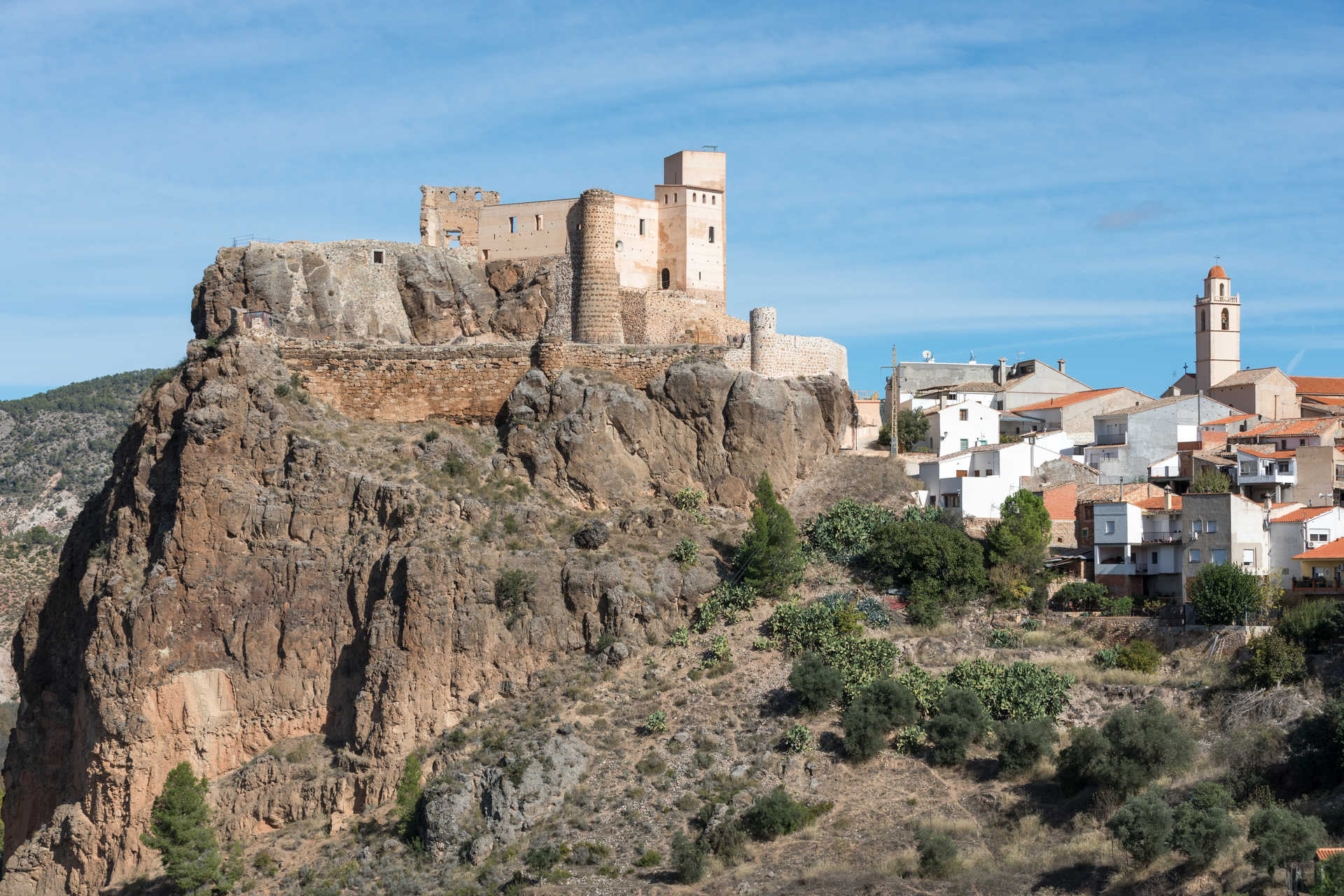
Castillo de Cofrentes and the river valley
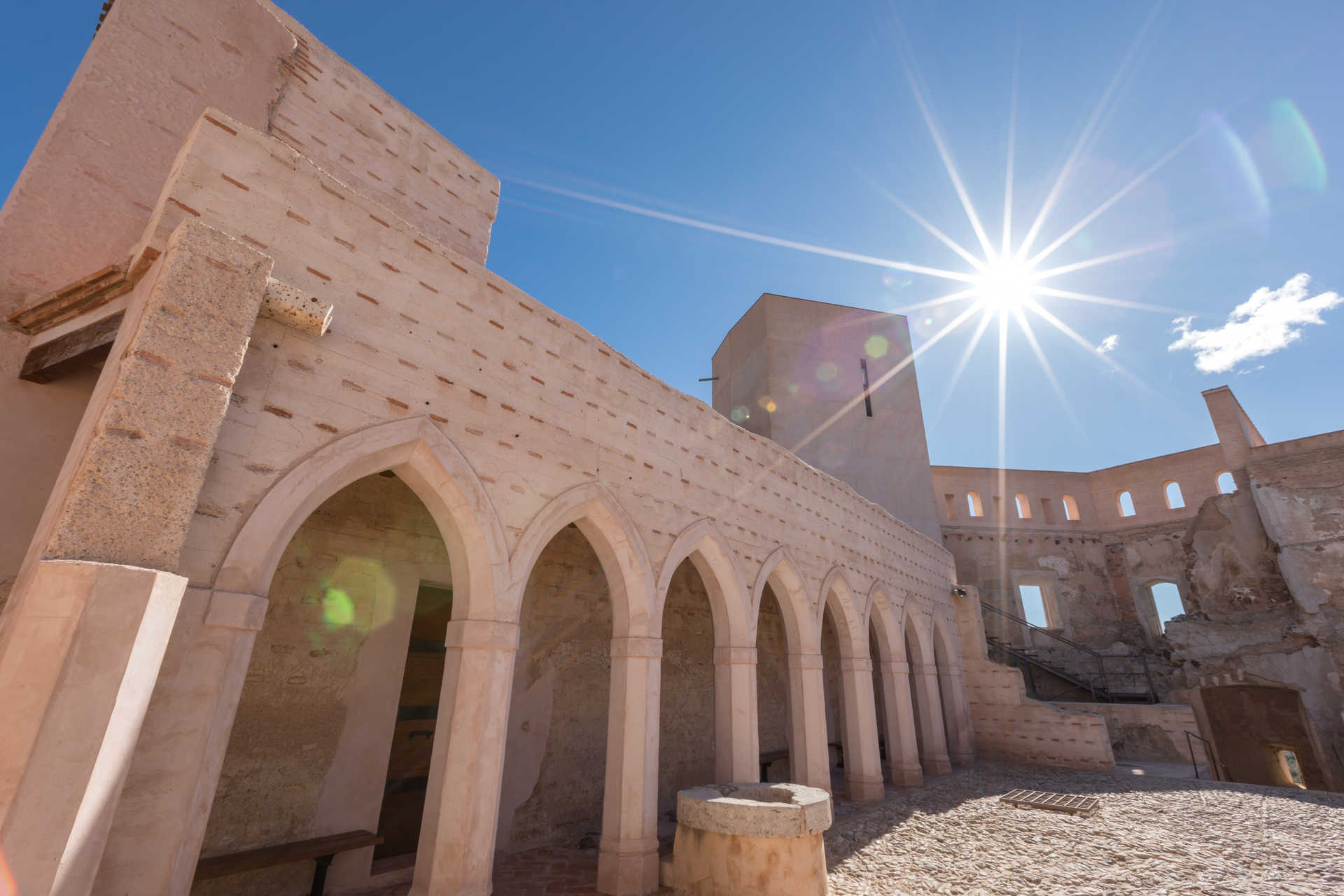
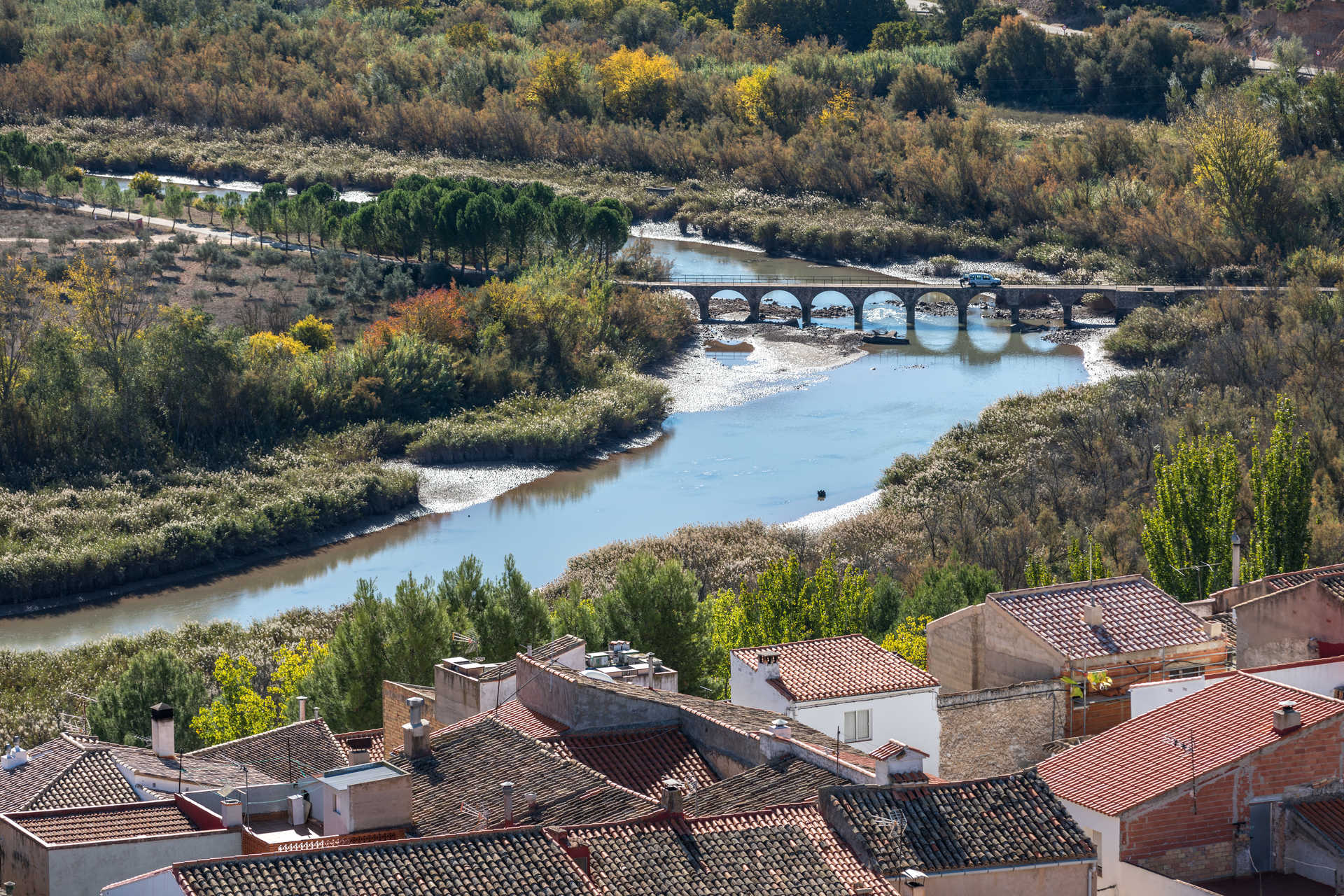
Valencia's only extinct volcano, Cerro de Agrás, sits across the river from a castle on a related volcanic outcrop — the two hills likely once a single mass, split apart over time by the Río Cabriel's erosion — with a viewpoint (Mirador de la Era del Chulo) over the Júcar/Cabriel confluence. The castle dates to the Bronze Age, with an 11th-century Muslim core and later Gothic additions.
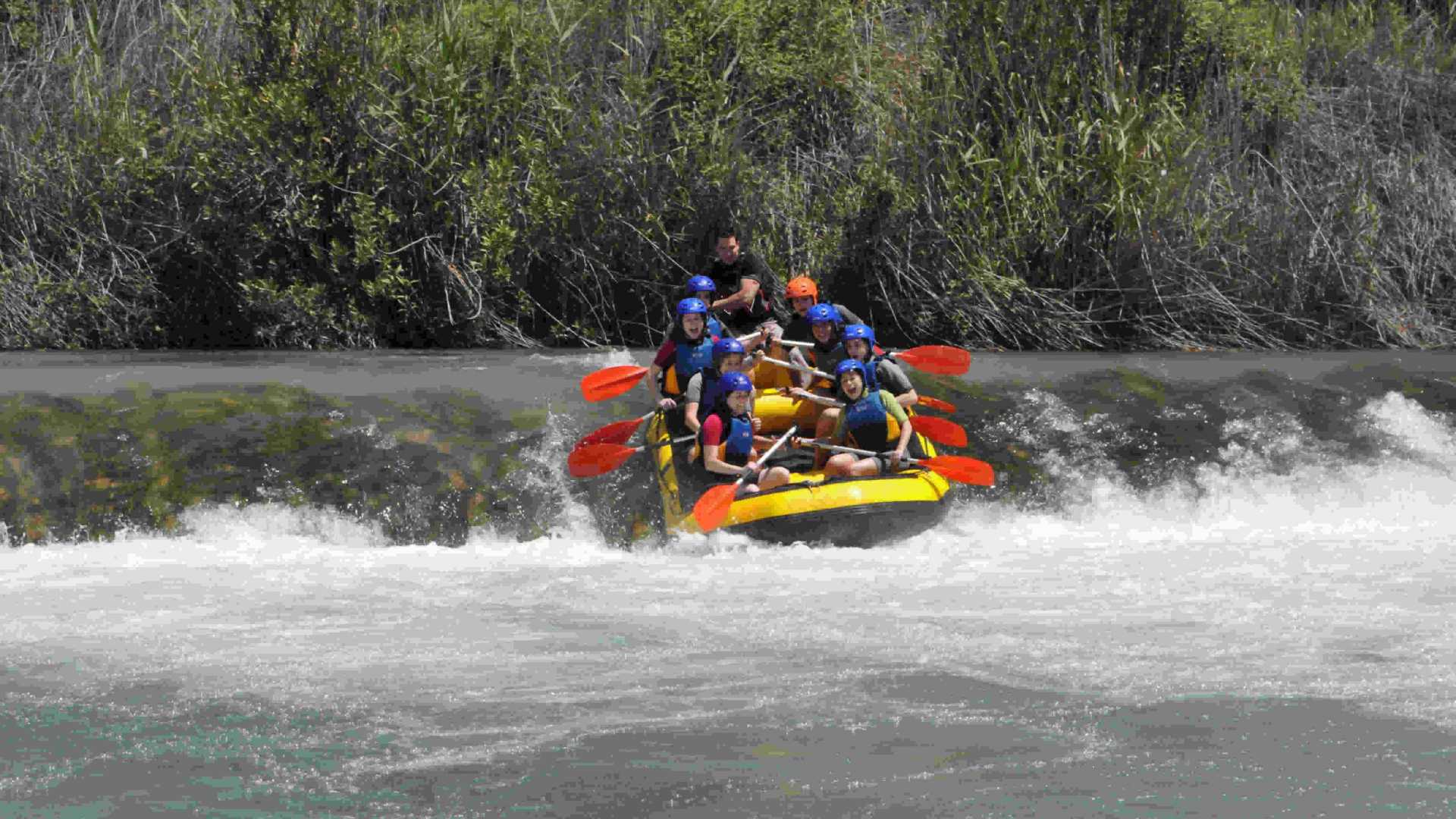
Cofrentes is also the region's activity hub: kayaking and canoeing on the river (whitewater rafting for older kids), river cruises through the Cañones del Júcar, and the Balneario de Cofrentes thermal spa — its old name, "Hervideros," comes from its carbonated, volcanic-gas-fed springs. Book paddling and rafting ahead for a group your size.
More info →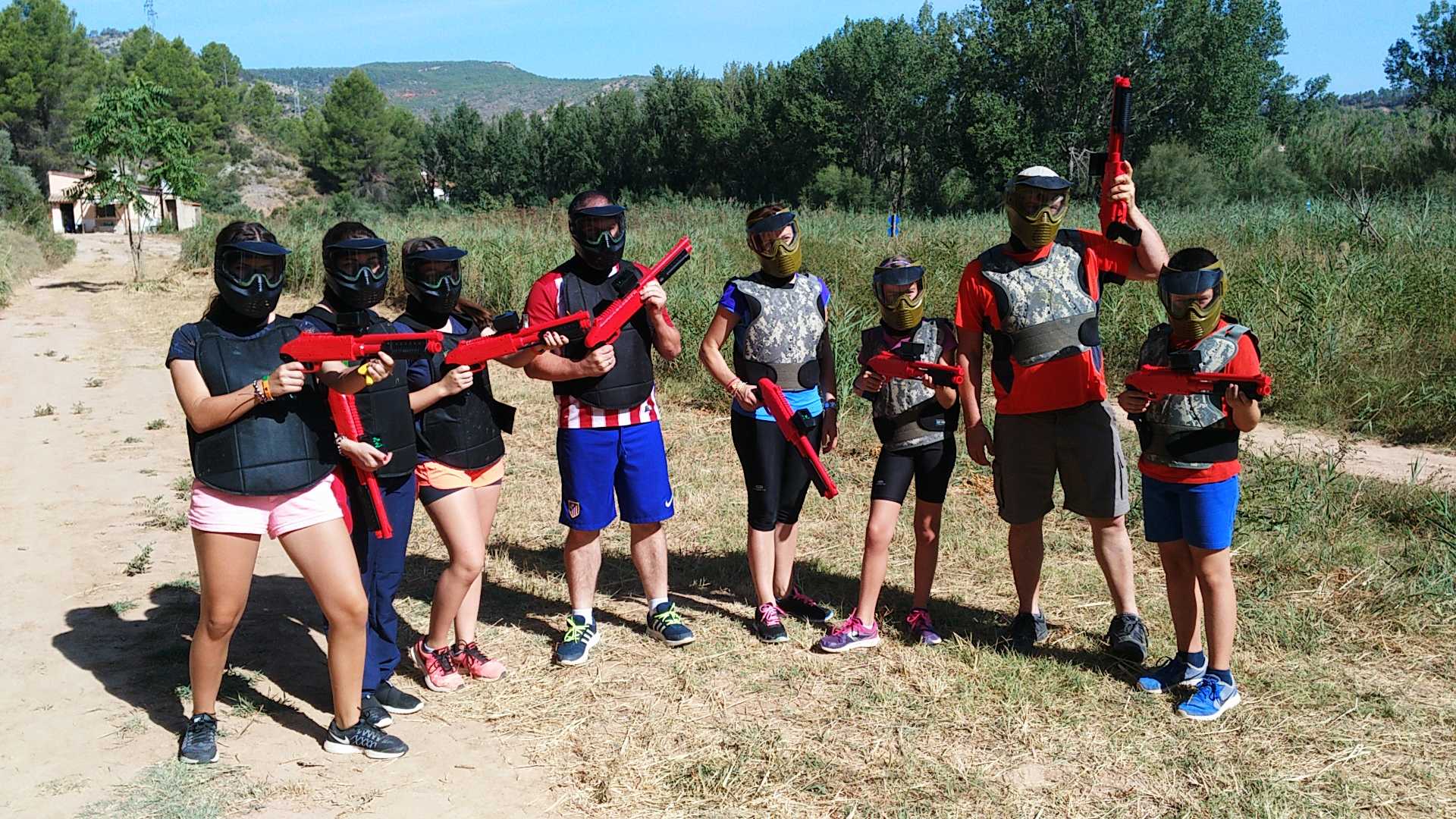
Cofrentes adventure park activities
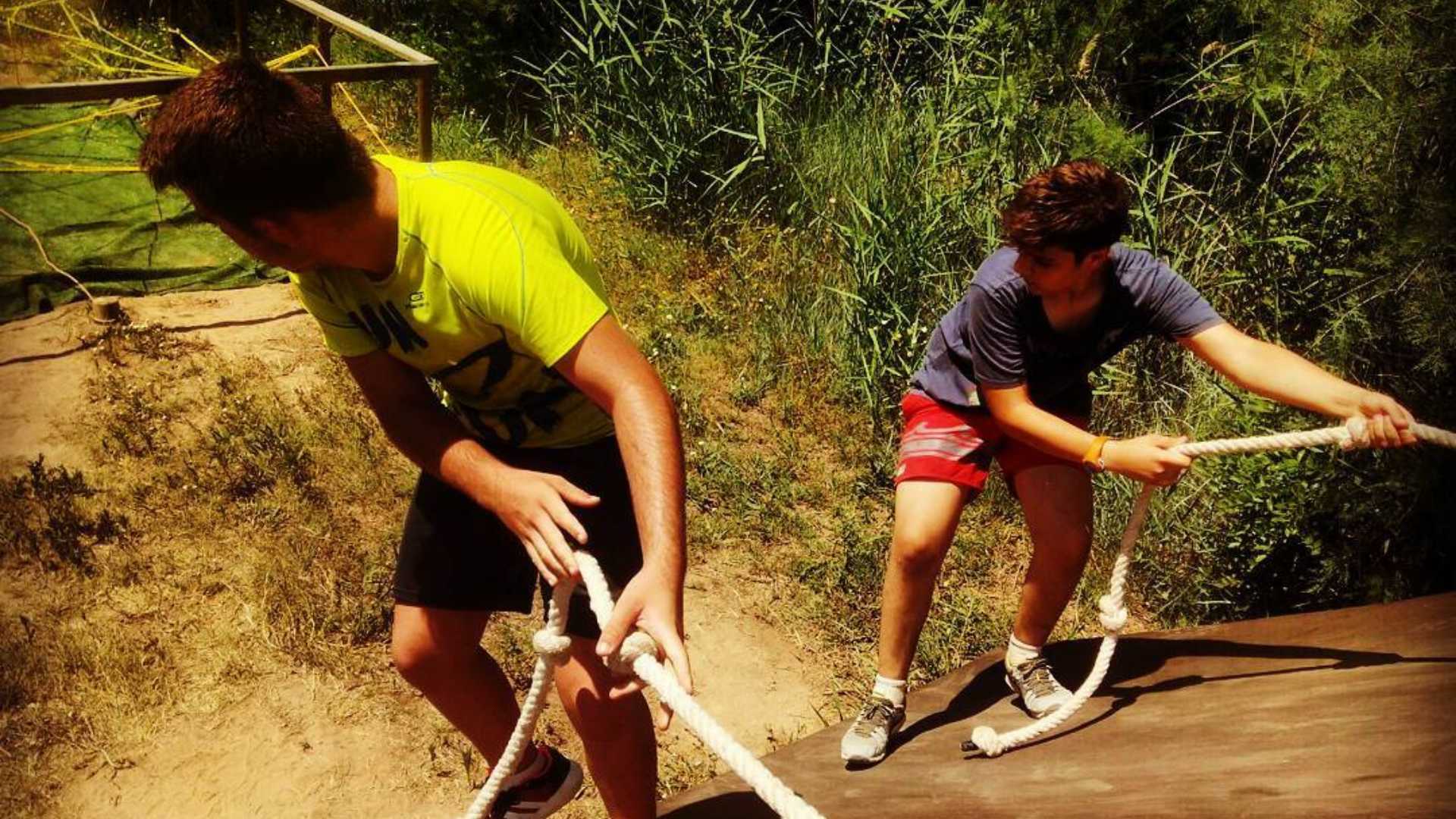
A permanent aerial park between the village and the spa — Himalayan and Tibetan-style suspended bridges, rope obstacles, climbing walls, and a finishing zip line, suiting "kids from 8 to 80" per reviewers, plus archery, a trampoline, and paintball for younger ages. It's a walk-up attraction rather than a booked one, but has changed hands and branding over the years — worth confirming by phone or at the Balneario reception that it's still running before building a day around it.
More info →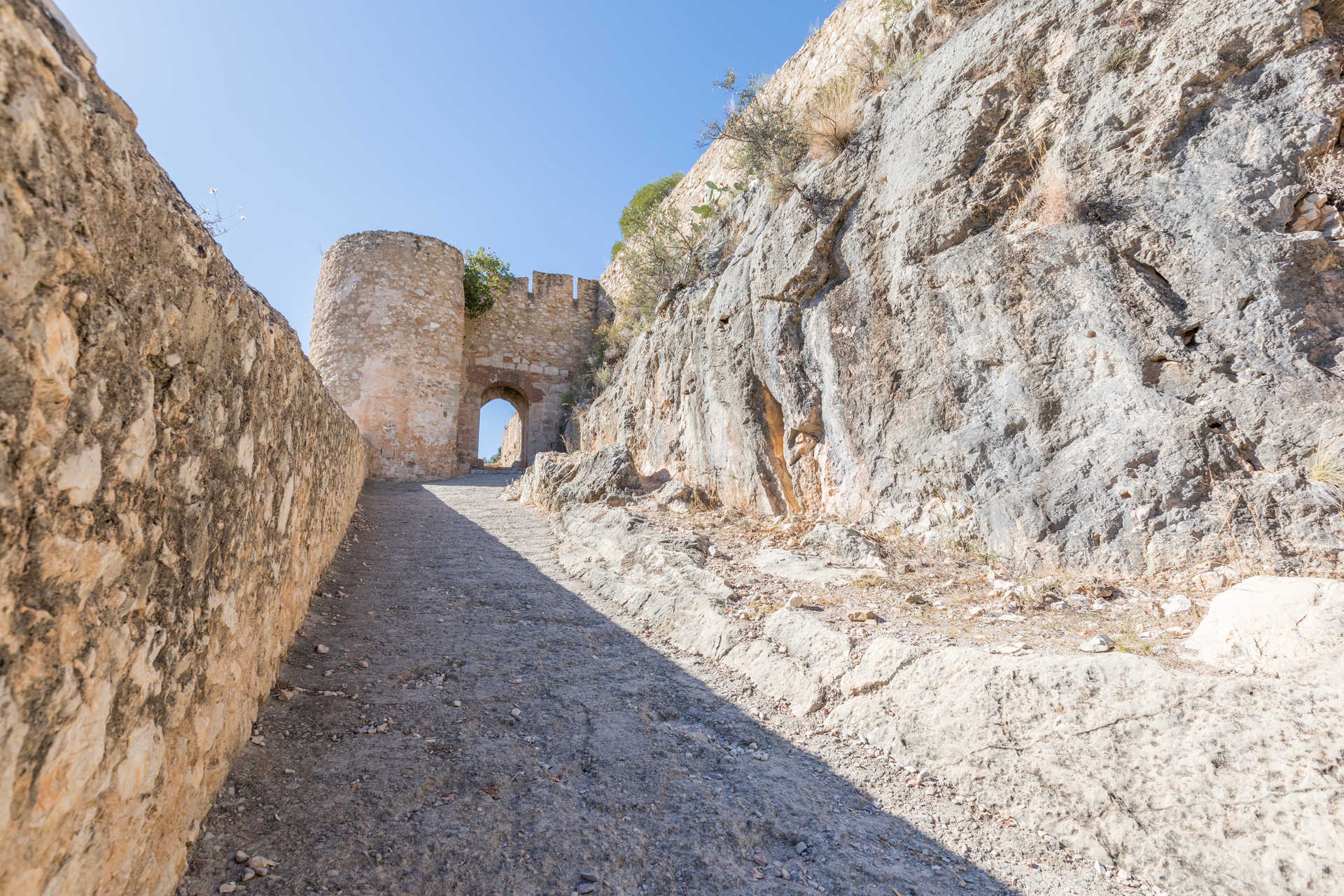
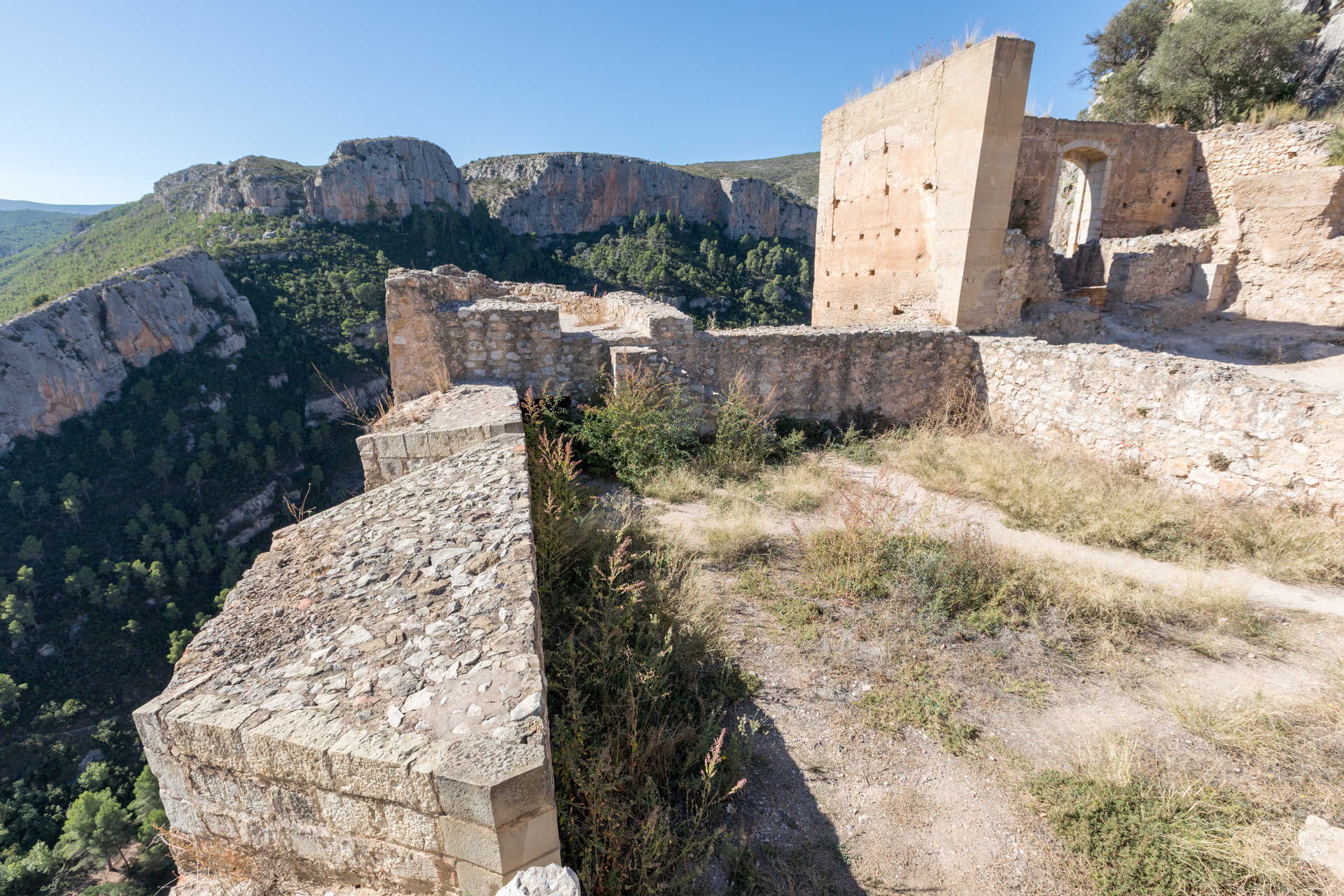
Chulilla castle above the Turia canyon
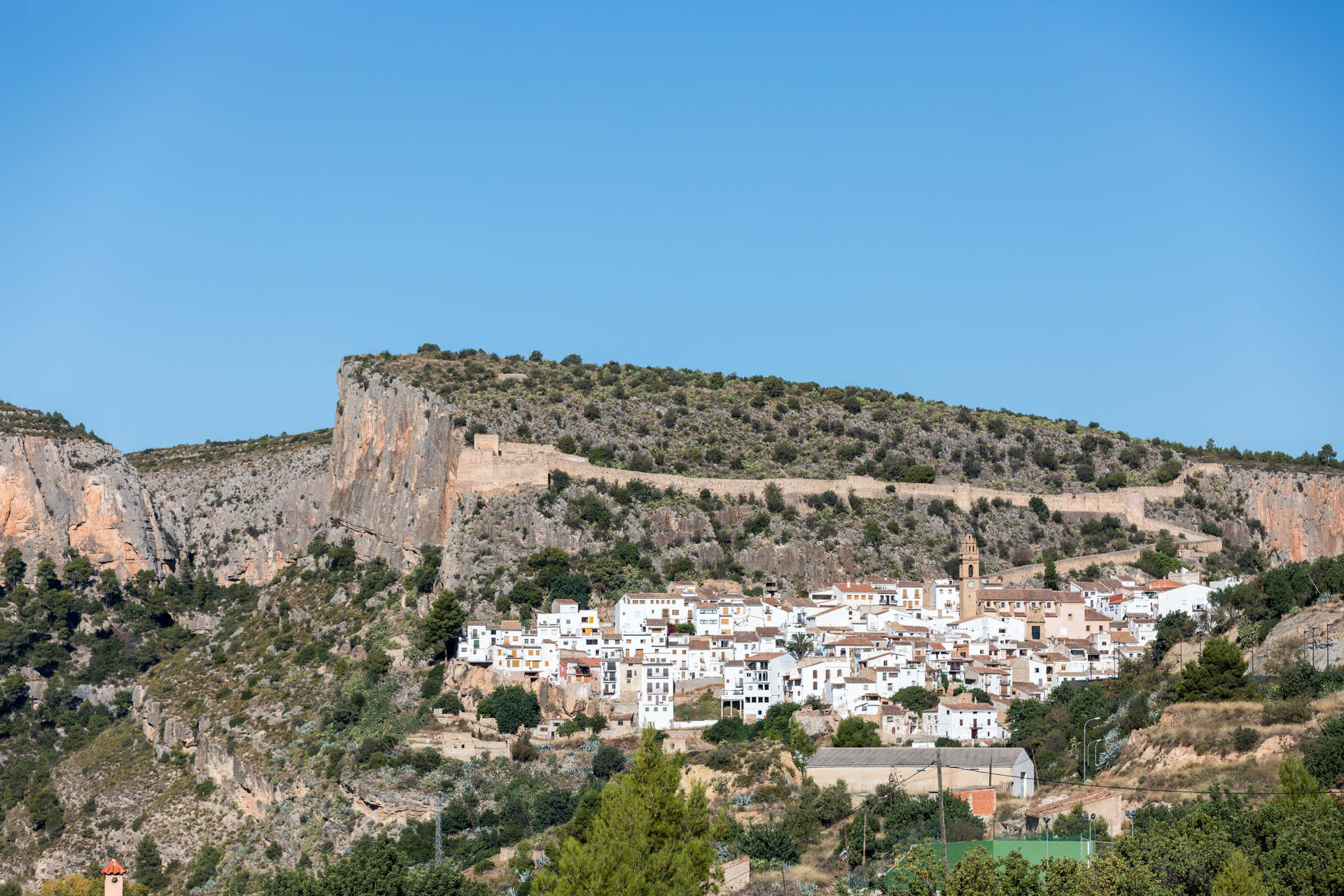
Possibly the most photogenic family hike in the province: an easy-to-moderate loop through the Turia canyon (Los Calderones), crossing two rebuilt wooden suspension bridges, one about 15 metres up. No technical skill needed, but expect weekend crowds — go on a weekday and arrive early for parking (small €1 access fee). The cliffside village above, with its Muslim-era castle, and the turquoise Charco Azul pool further down the canyon, are both worth a look.
More info →One "away day" option if the group wants a beach contrast to all the mountain scenery.
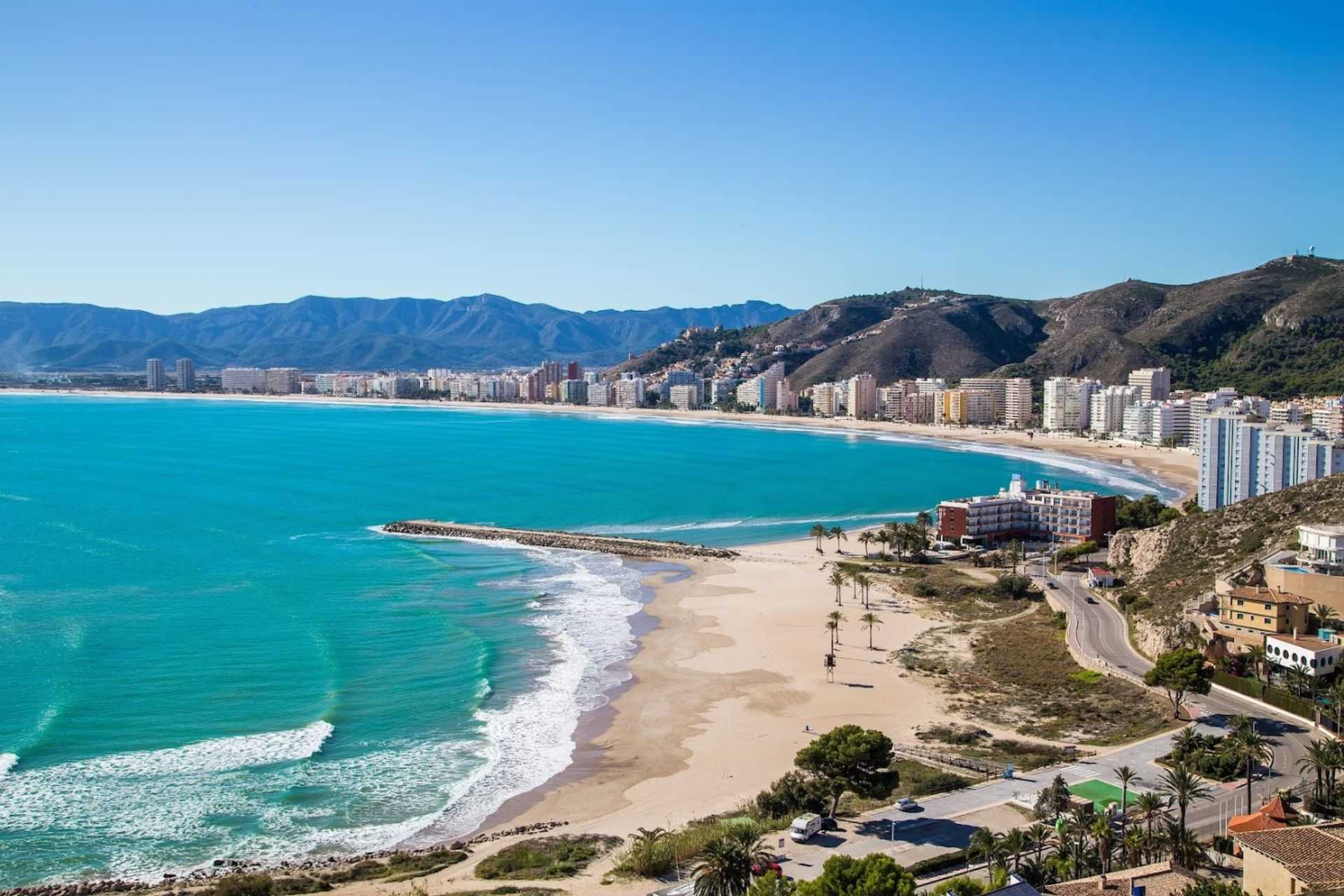
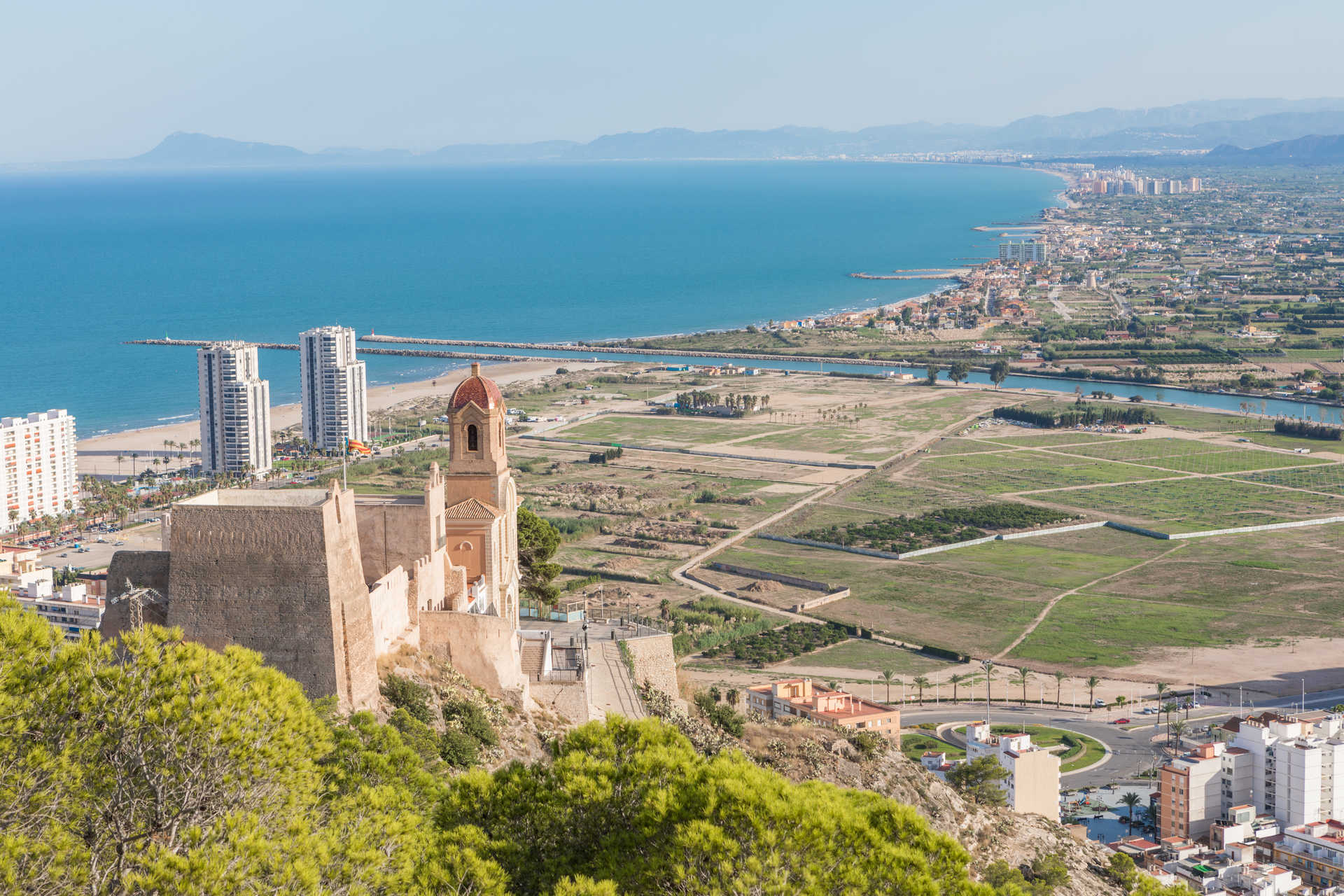
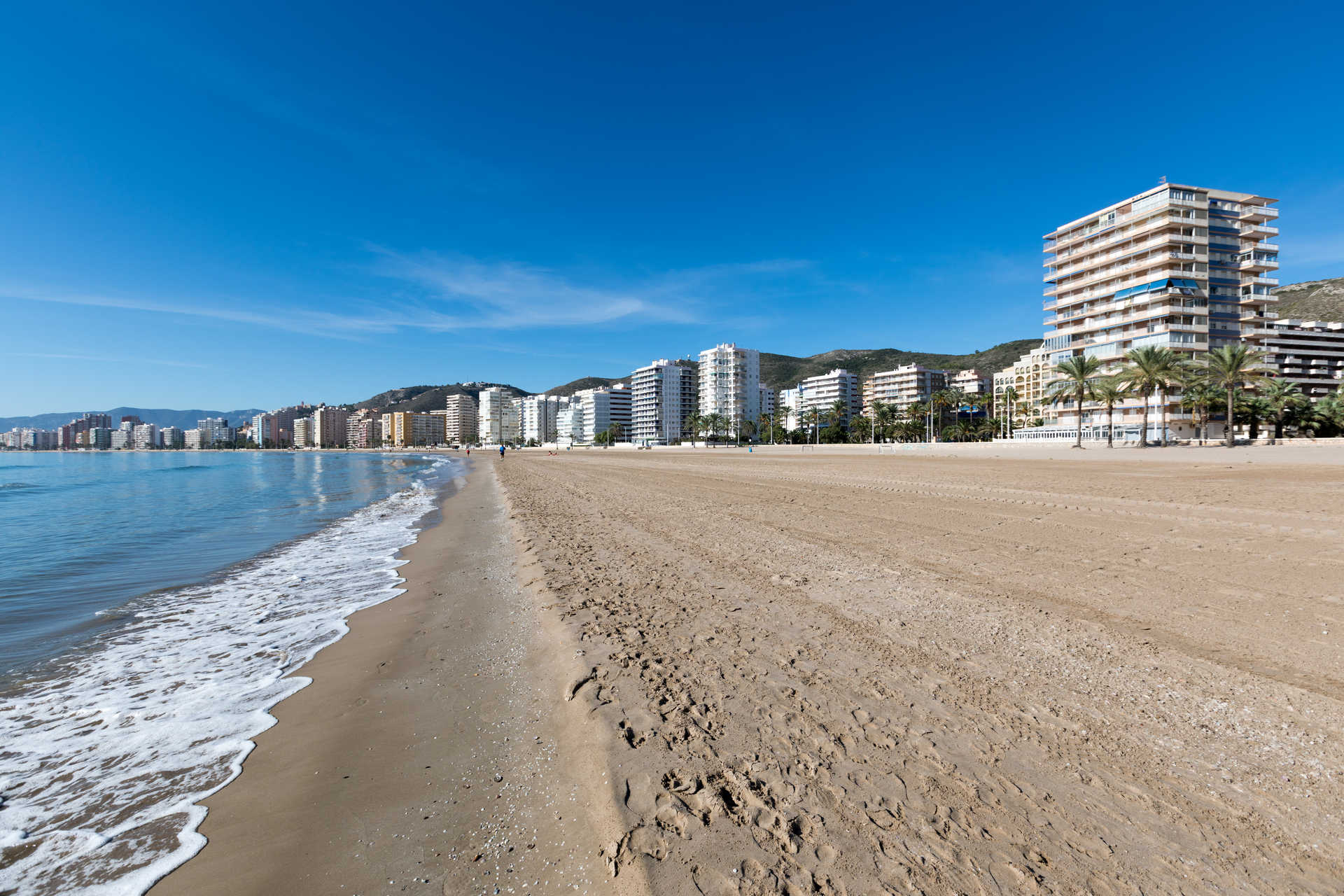
Cullera bay, the Santuario next to the castle, and Playa del Racó
The closest proper Mediterranean beach town — a wide sandy beach, a 10th-century hilltop castle (now a history museum) with a 19th-century sanctuary beside it, and a lighthouse. Climbable towers along the castle walls give views over the bay; in summer the grounds host concerts and theatre. Valencia city (Oceanogràfic, Bioparc) is a similar drive if you'd rather trade sand for a big city day.
More info →